Stay connected with Historic Charleston Foundation for the latest updates regarding advocacy issues, new research, upcoming events and programs, and more ways to get involved with our mission-driven work.
Thank you! Your submission has been received!
Oops! Something went wrong while submitting the form.
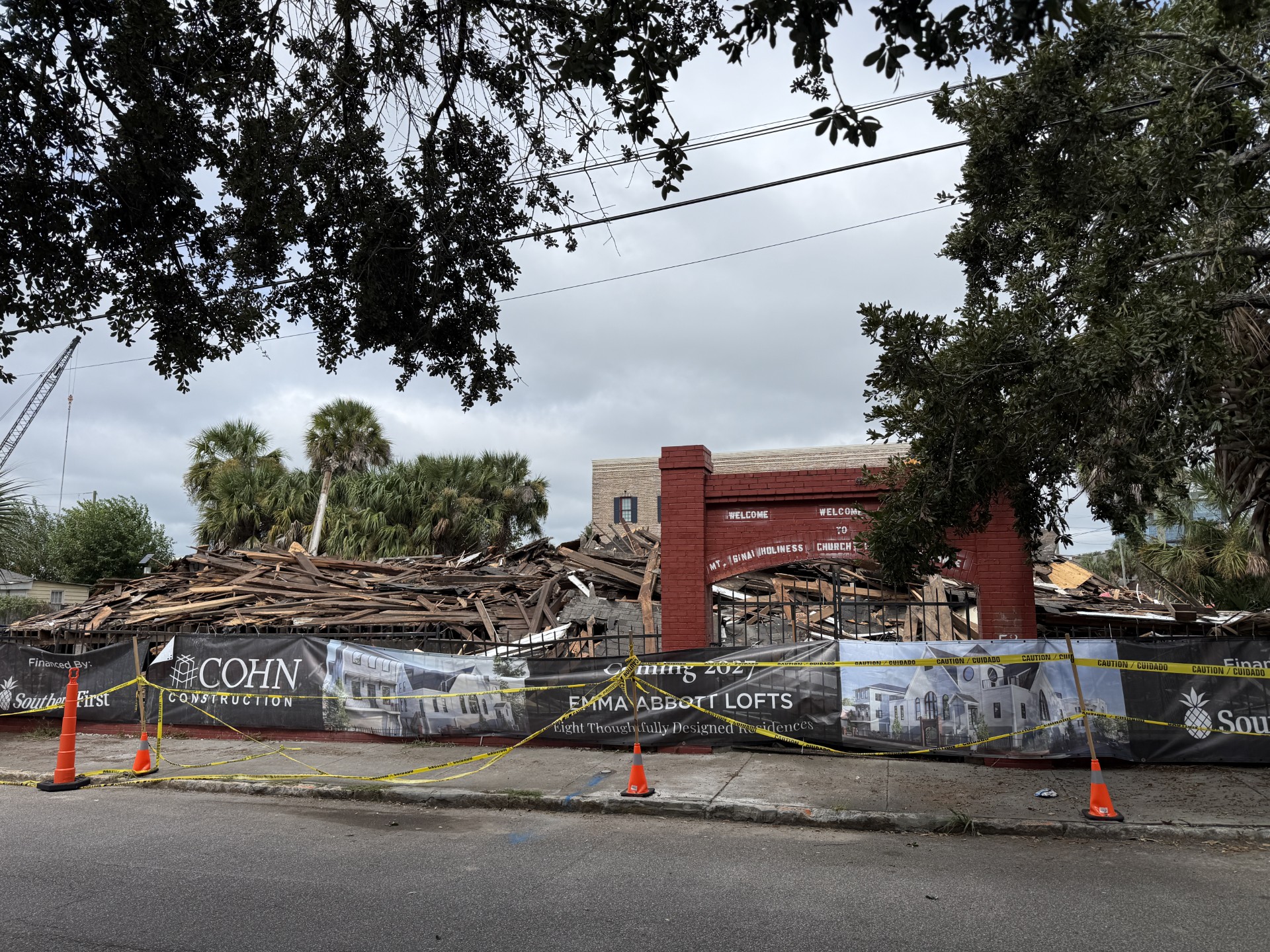
The tragic demolition of the historic Emma Abbott Memorial Chapel at 52 Cooper Street has renewed urgent calls to address demolition by neglect. Preservation is not only about preventing inappropriate demolition, but also about ensuring that historic buildings are maintained before neglect leaves demolition as the only option. Stronger tools and policies are needed before more irreplaceable pieces of Charleston's history are lost.
Historic Charleston Foundation has announced that Winslow Hastie has decided to step down as President and Chief Executive Officer, effective December 31, 2026, following 20 years of service to the Foundation, including nine years as President & CEO.
At the direction of the current administration, the Advisory Council on Historic Preservation (ACHP) is proposing a substantial revision of the regulations that govern how federal agencies carry out Section 106. On July 24, 2026, the ACHP voted to advance a draft Notice of Proposed Rulemaking. This means they formally got the ball rolling to make the revisions a reality. The draft is now moving through the federal interagency review process before it is published in the Federal Register for public comment.
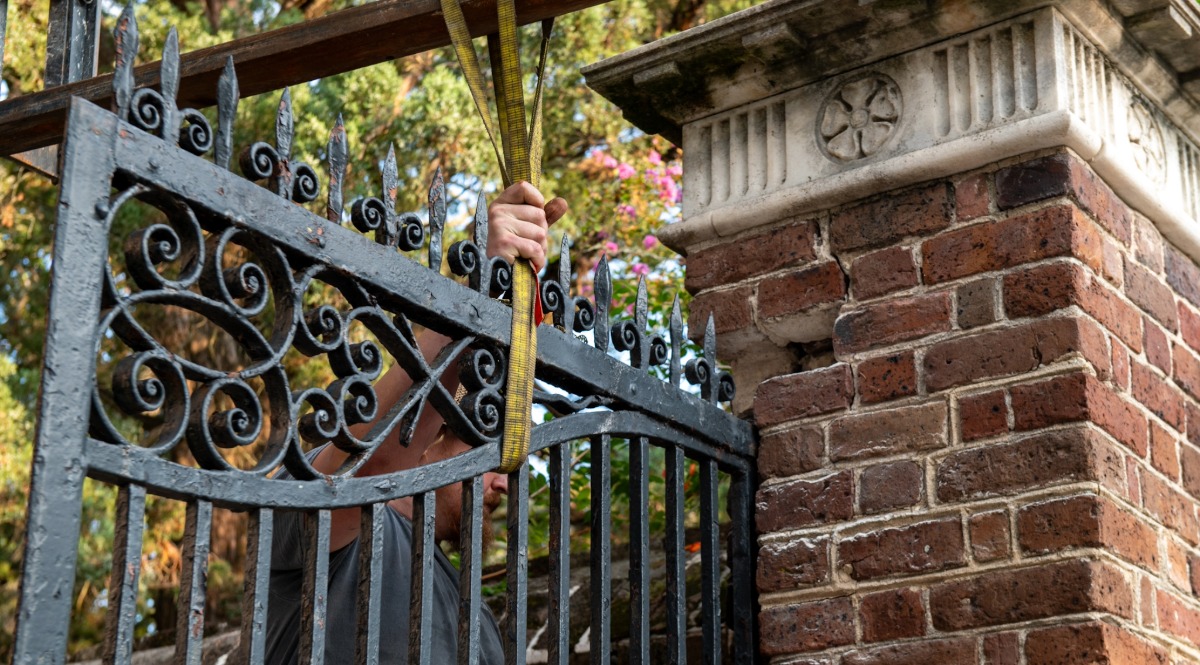
In the spring of 2026, the museum team, with the support of David Hoffman and Guyton Ash of Artis Construction, determined that restoration work on the pedestrian and driveway gates at the Nathaniel Russell House had become necessary.
Historic Charleston Foundation’s easements include an archaeology requirement for homeowners who plan to build anything that will disturb the ground, including additions, new buildings, and pools. Before excavation begins, homeowners are required to work with a qualified archaeologist to conduct the necessary research to determine whether the work should be monitored.
NeShell White, a graduate of Virginia State University with a Bachelor of Arts in Mass Communications, interned this summer with HCF's Communications Department. Originally from Chicago, Illinois, she came to Charleston through Explore Charleston and gained hands-on experience creating content for Instagram, TikTok, Adobe Express, and Canva, while also learning event planning strategy and hosting an event of her own. White reflects on the welcoming, close-knit culture at HCF and how the Foundation's commitment to Preservation, Advocacy, and Museums shows up in its everyday work with the Charleston community.
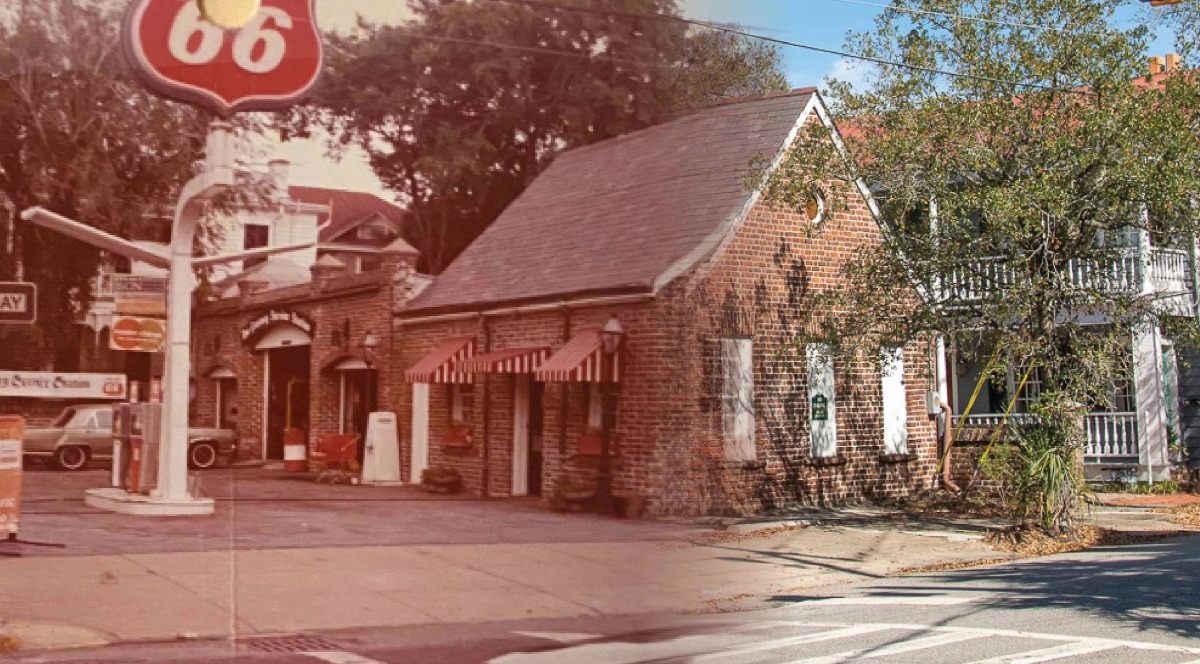
Caden Chapman, a College of Charleston graduate with a BA in English now pursuing his master's degree, interned in the Archives with Shannon Duffy at Historic Charleston Foundation this summer. His research uncovered unforgettable stories woven into Charleston's history, including a hidden dairy farm once located on Vanderhorst Street, an alligator named Wishy-Washy who lived on the grounds now home to Ashley Hall, and the tale of bootlegger Frank "Rumpty Rattles" Hogan, who was murdered by a rival on Market Street. Chapman calls the experience a privilege and an honor.
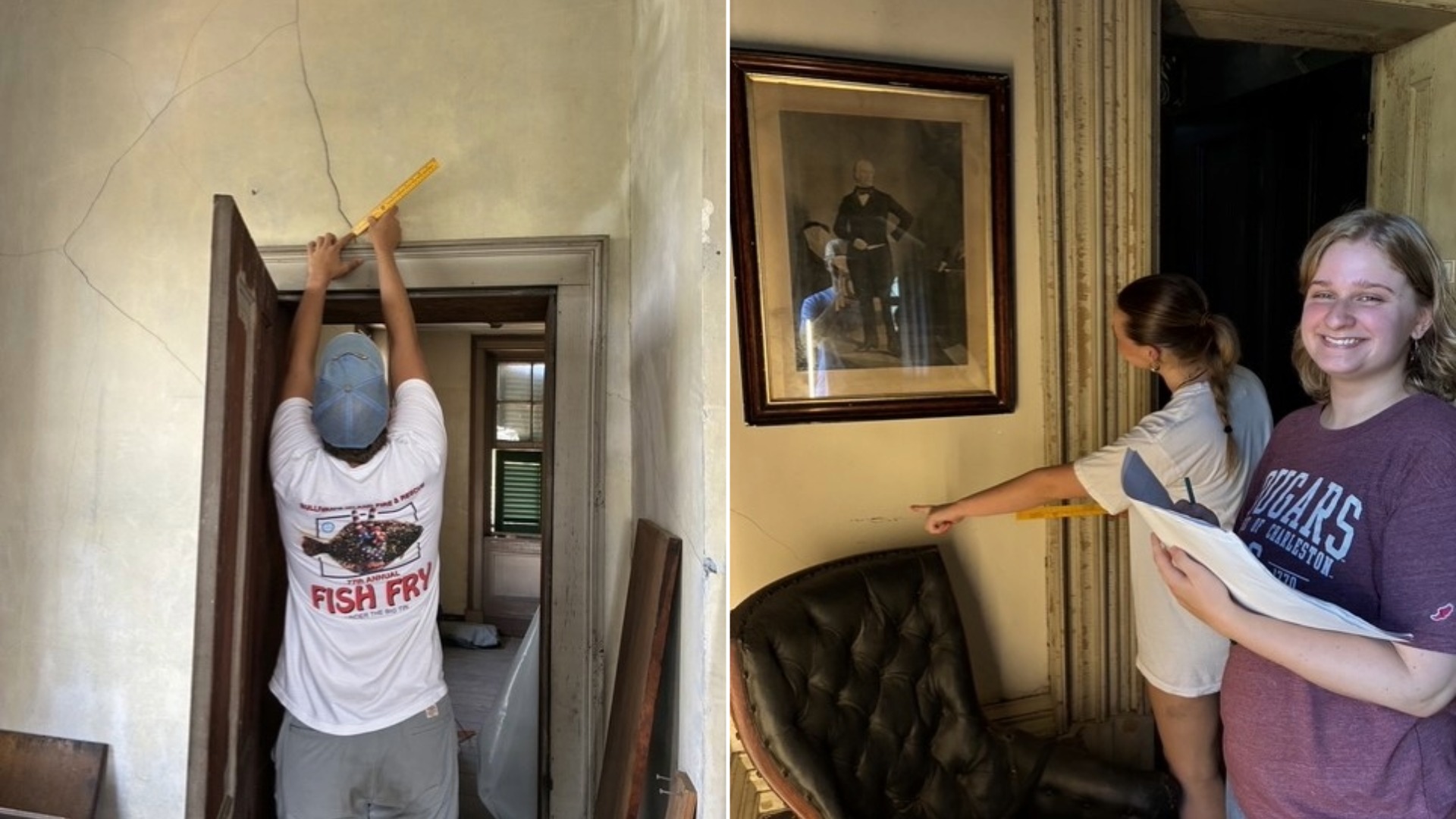
Molly Schweickhardt and Bates McCluer, both interns in HCF's Preservation Department, spent the summer immersed in hands-on preservation work. Schweickhardt assisted with easement inspections across the peninsula and researched pre-Civil War records at Calvary Episcopal Church, uncovering the stories of the church's enslaved and free congregants. Bates used ArcGIS to map the ruins of the Walled City and researched Free People of Color named in Calvary Church's historic records. Together, they also contributed to the Aiken-Rhett House Crack Study, measuring and documenting cracks throughout the historic house.
Each summer, Historic Charleston Foundation welcomes interns across every department. This July, it's Intern Takeover: hear directly from the students working alongside our team. Rising junior Kendall Snyder, a History and International Studies major at the College of Charleston Honors College, interned with HCF's Advocacy and Preservation team. Her work centered on the Board of Architectural Review process and the 106 Coming Street project, where she gained experience in research, community engagement, and architectural review. She also joined preservation interns on the Aiken-Rhett House Crack Study, documenting cracks throughout the historic house.
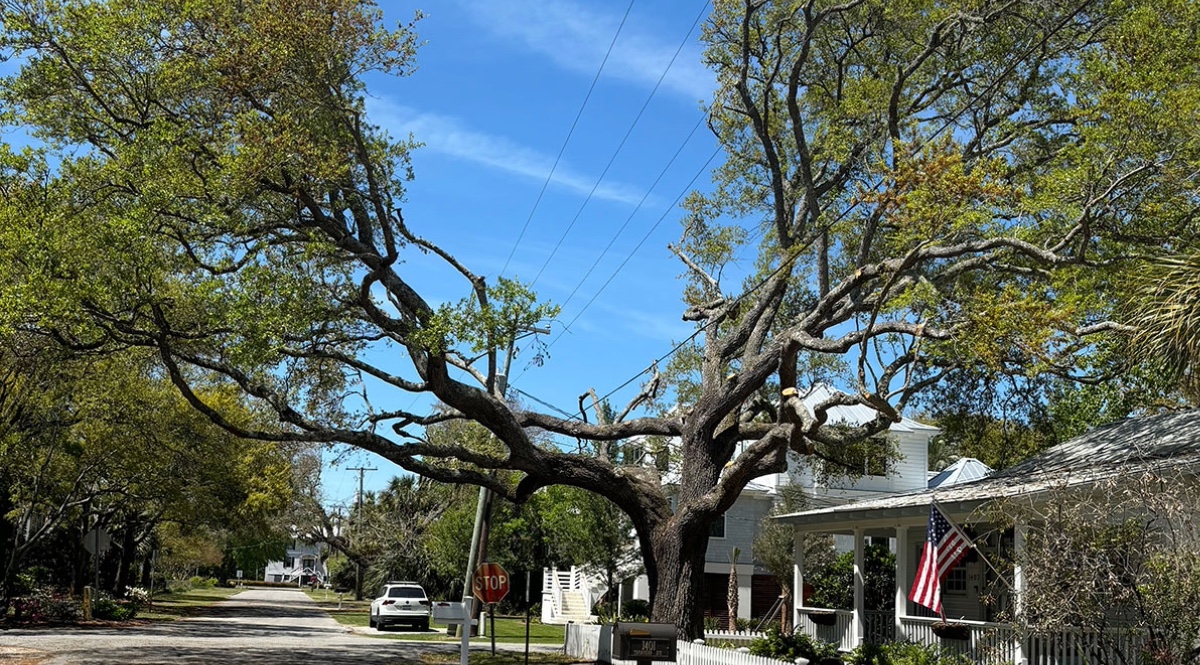
The City of Charleston is in the process of renewing its Franchise Agreement with Dominion Energy—a document that governs the utility’s use of public rights-of-way and helps shape how electric infrastructure is maintained and improved across the city. While routine on the surface, this renewal presents a significant opportunity to address long-standing concerns about tree protection, infrastructure resilience, transparency, and public accountability.
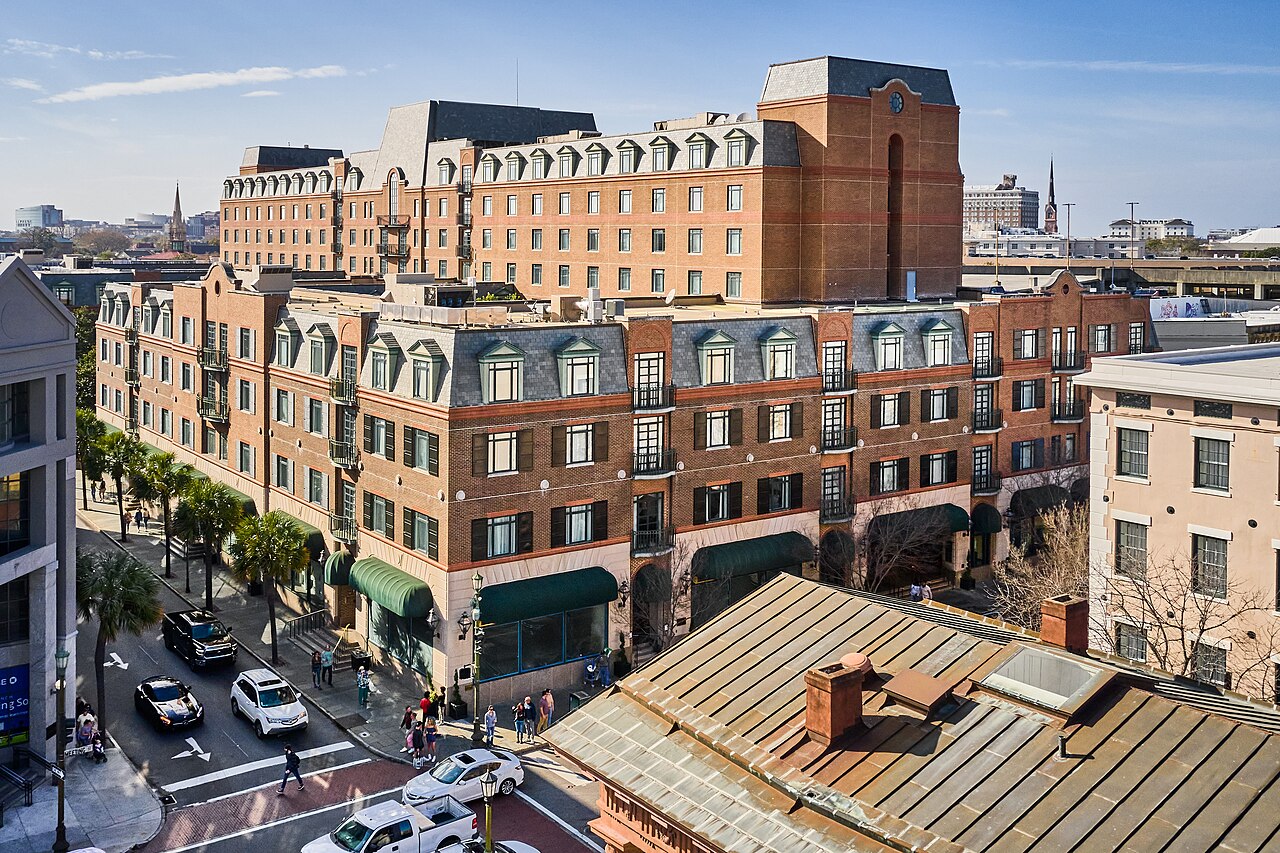
Historic Charleston Foundation is pleased to share that 80 Ashley Avenue, a Revolving Fund property in Harleston Village, has been sold to preservation-minded owners who are committed to restoring the historic building and maintaining a compatible commercial use at this prominent neighborhood corner.
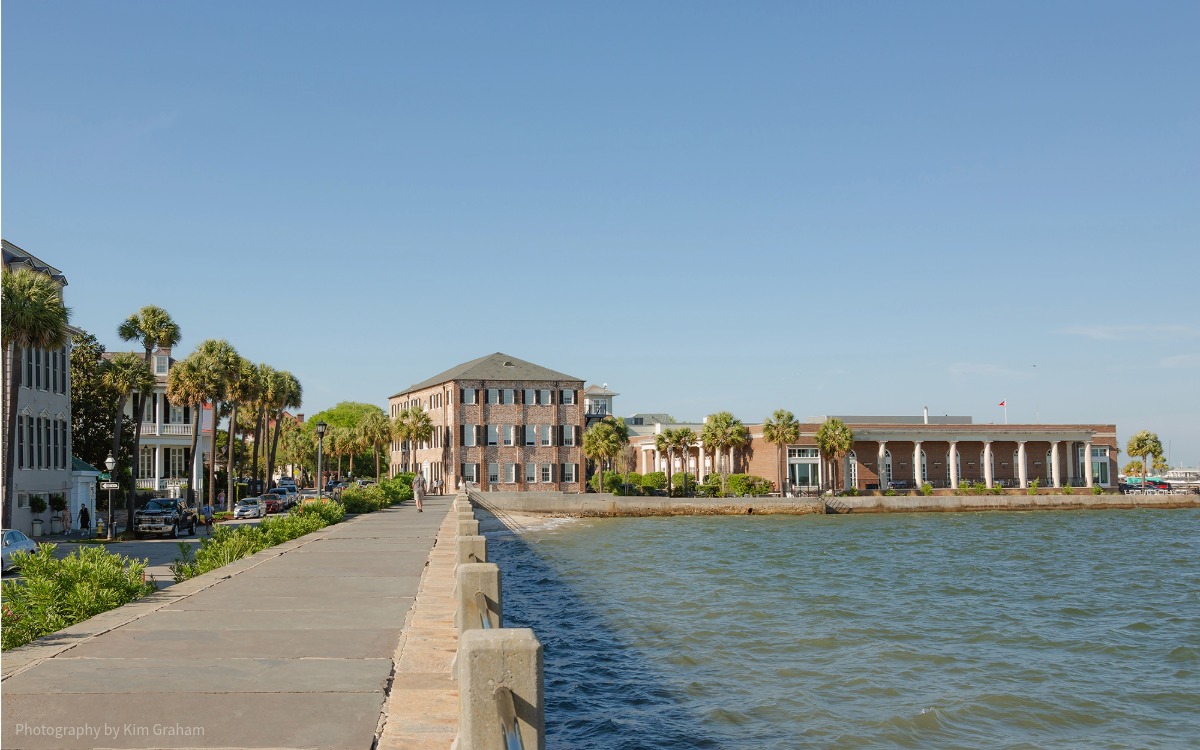
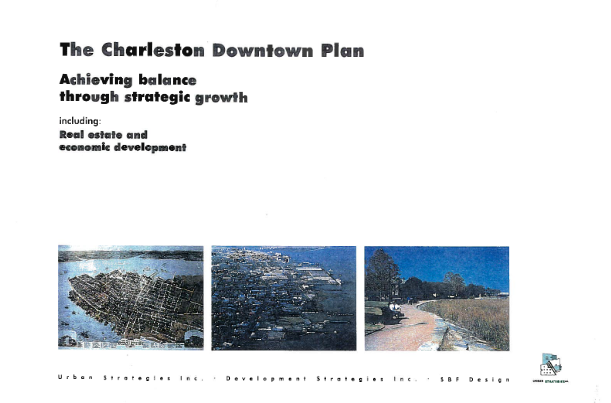
The 1999 Downtown Plan has guided transportation, land use, preservation, and development decisions over the past 26 years. While Charleston has evolved significantly since its adoption, many of its core principles remain relevant today. This update presents an important opportunity to reaffirm that foundation while addressing the challenges and opportunities shaping Charleston’s future. As the Peninsula Plan process moves forward, HCF will be advocating for a vision that promotes connectivity, resilience, livability, and thoughtful growth throughout the peninsula. While the planning process is just beginning, we believe there are several key issues that deserve particular attention as the City develops its framework for the next generation of transportation, land use, housing, and infrastructure investments.
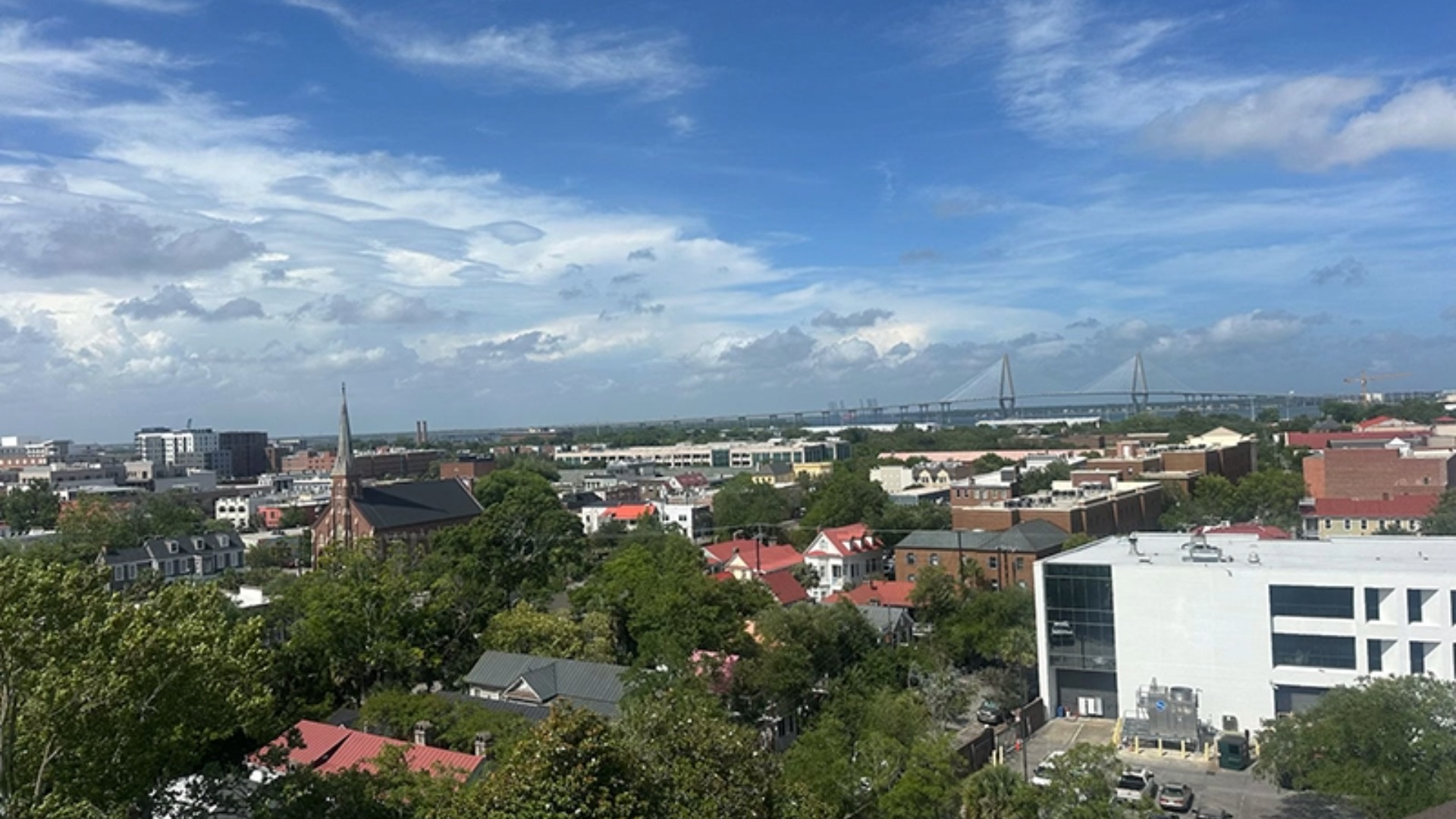
On Monday, May 18, 2026, Historic Charleston Foundation hosted its spring advocacy forum titled Charleston’s Future: Stitching Together Growth and Opportunities Forum with panelists: Andrea Ostrodka, ACIP, Christian Sottile, AIA, Jared Bramblett, and moderator Scott Parker. As part of the evening’s program, attendees were introduced to a newly unveiled video that offers a visual overview of major infrastructure and development projects planned for the Charleston peninsula.
The College of Charleston is exploring options for building a college dormitory on a site that was a municipal cemetery in the 18th century. The site presents challenges and opportunities for conversation and memorialization. Attend a community meeting to learn more.
HCF awards Dr. Kerrison and 60 Tradd Street with the 2026 Whitelaw Founders Award for a meticulous, research-driven piazza restoration nearly 60 years in the making.
Historic Charleston Foundation announces the 2026 Charter Day award winners, honoring excellence in the protection, restoration, and interpretation of Charleston's historic built environment. From residential rehabilitations to cultural landscape preservation, this year's honorees embody the spirit of preservation in Charleston through expertise, vision, and a deep commitment to our city's legacy.