


Rethinking Growth: Why Infrastructure Must Come Before Development in the Lowcountry

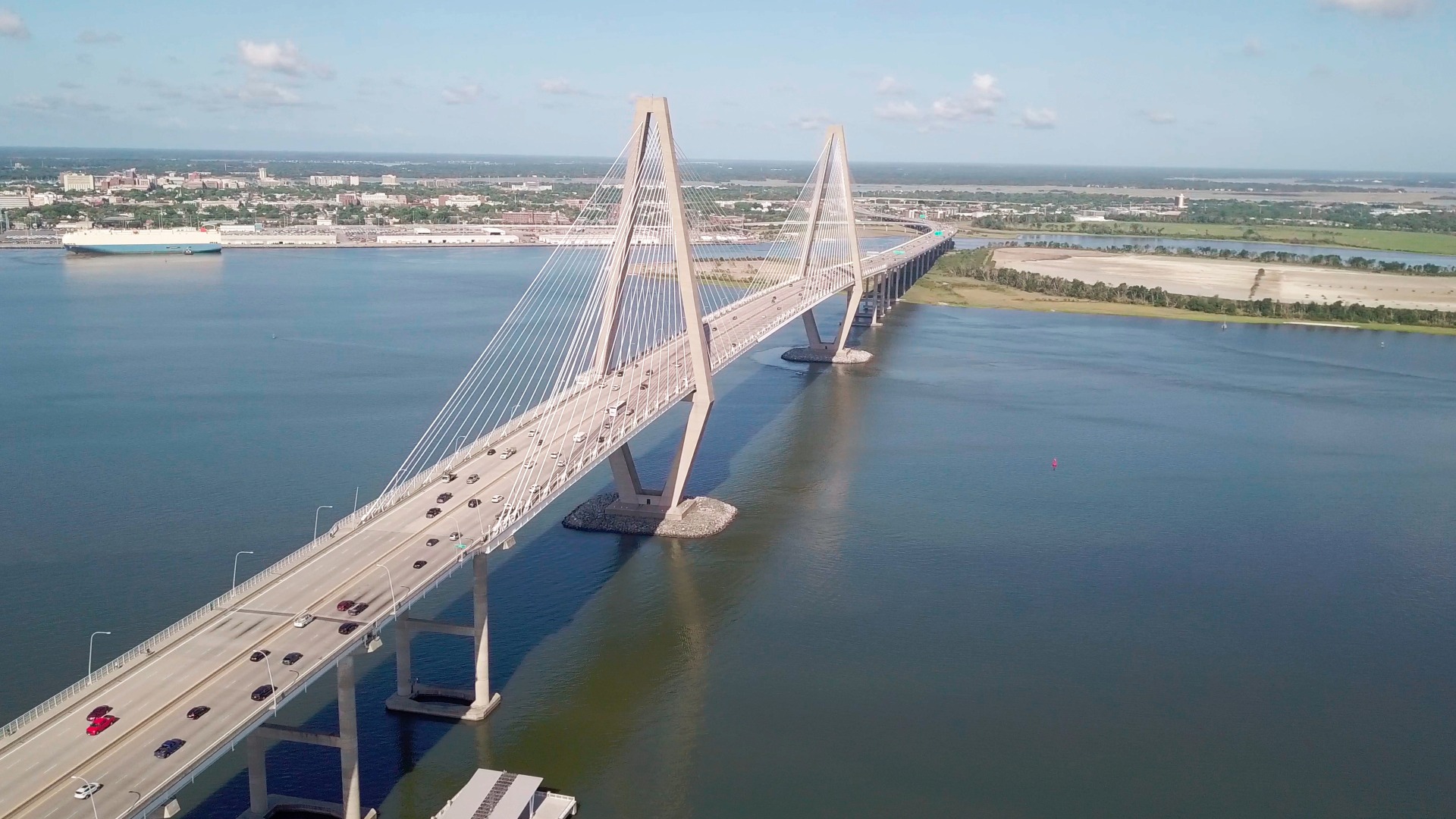
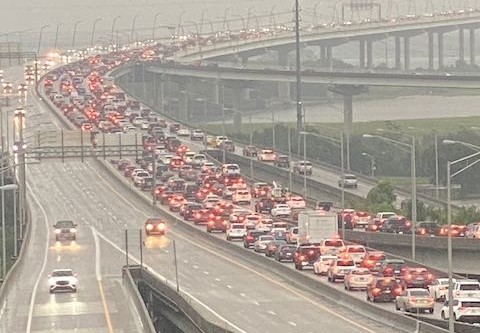
There appears to be a growing understanding, both locally and at the state level, that unrelenting growth in South Carolina and the Lowcountry is not going to improve affordability or mobility problems. There has been a longstanding sentiment that housing accessibility is really just an inventory problem—that more housing will ultimately bring the costs down and that our escalating home prices are simply a supply and demand issue. The other myth that is very slowly being debunked in rapidly expanding metro areas is that you can just widen highways ad nauseam, and our congestion issues will magically disappear. (Remember the old comparison of loosening your belt to deal with an expanding waistline?) Neither of these positions are true, and we are feeling the direct effects of this type of thinking throughout the Charleston region. As developers continue to build low-density suburban tract home developments farther out into the exurbs, local governments are left to deal with the repercussions—including traffic congestion, flooding, and over-burdened public services like schools, sewers, and police.
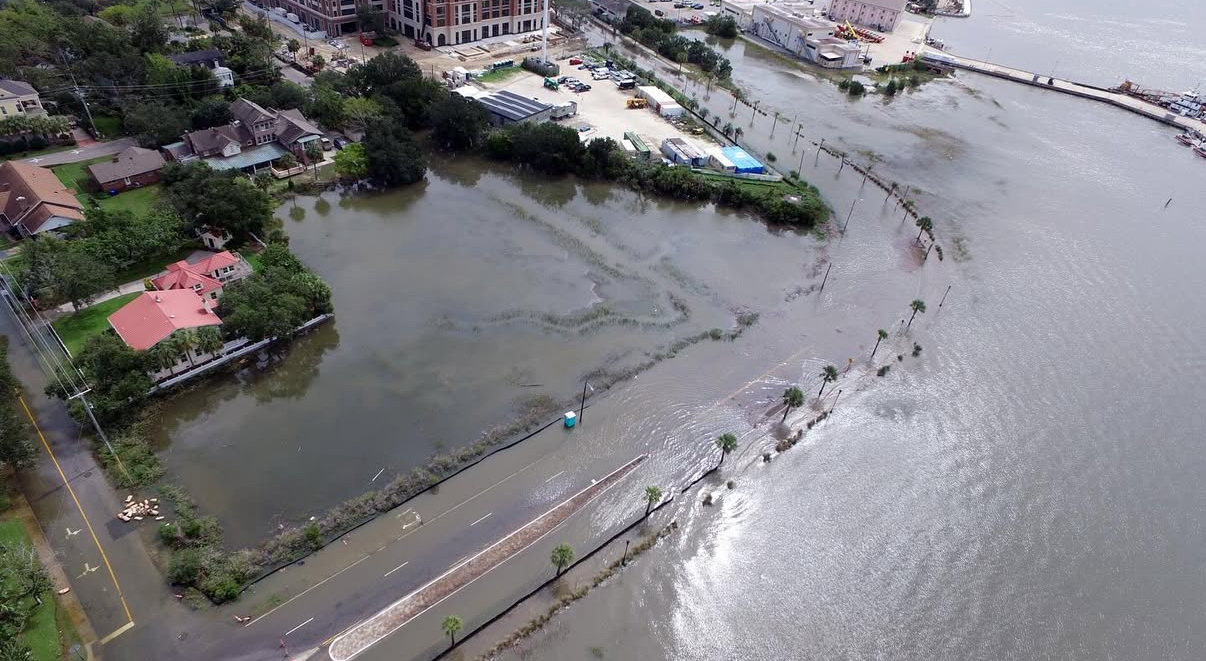
It is exciting to see at both the state and local levels an increased appetite for linking large-scale development to infrastructure BEFORE plans are approved, and bulldozers move in (read more HERE). This planning concept is so rational and obvious that somehow it has been ignored to date. HCF supports the concurrency bills moving through the state legislature that allow local governments to proactively plan for growth, and we applaud the politicians brave enough to challenge the status quo.
In the interim, our smart growth advocacy colleagues have brought this issue to the foreground with the massive Point Hope development in Cainhoy above Daniel Island. They have circulated a petition to gauge residents’ support for re-evaluating proposals such as this. When that development agreement was hatched in the 1990s, it probably seemed like a good idea to channel growth to this area. However, in the ensuing decades, the explosion of development in Berkeley County, Daniel Island, and Mt. Pleasant has rendered the two arteries that connect this area—Clements Ferry Road and Highway 41—completely gridlocked. Also, more recently, we have had a much-needed reckoning with the complexities of water management due to sea level rise and increased storms. In the city of Charleston, we now have solid policies in place through the updated Comprehensive Plan and Water Plan, that should drive a reconsideration of some of these larger, outdated development plans. Plus, with Lowcountry Rapid Transit moving towards construction, there is an opportunity to concentrate development at proposed transit nodes along the I-26 corridor. Sponsored by the Berkeley-Charleston-Dorchester Council of Governments, the Reality Check 2.0 workshop that I participated in last spring strongly reinforced this responsible idea.
All of this then leads to the Transportation Sales Tax, which is currently being debated at Charleston County Council and will hopefully be put to a referendum for voters to consider this November. It should actually be called an “Infrastructure Sales Tax” because that provides a more, holistic picture of what we’re really talking about. How we allocate these significant dollars is directly tied to where and how we develop, what areas we conserve through the Greenbelt program, how we improve our roads and protect them from increased flooding, and the success of our transit systems. We need to get the allocation balance right with the understanding that this huge public investment represents an integrated, regional approach and that each sliver of the pie reinforces the other; then the County needs to convince the electorate that these monies will be spent wisely on our community’s priorities.