


Concurrency: Why It Matters for Charleston’s Future


At first glance, the word “concurrency” sounds complicated and wonky. In reality, it describes the simple, common‑sense idea that new development should only happen when the infrastructure needed to support it is in place.

Concurrency ensures that growth and infrastructure move forward together. Before any large-scale new development is approved, the developer must demonstrate that:
- Roads can handle new traffic
- Schools have capacity for new students
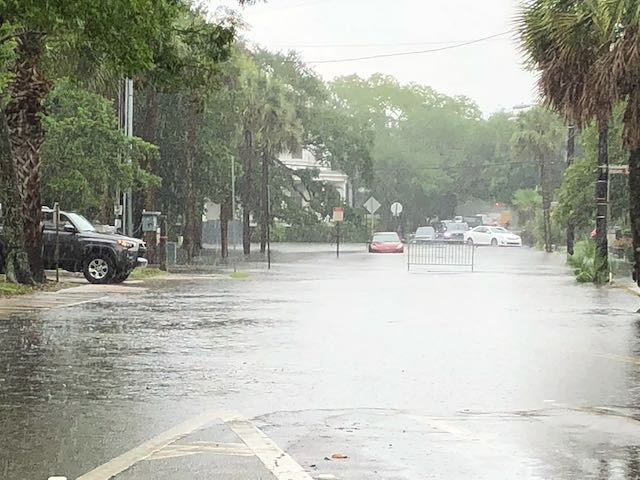
- Drainage systems can prevent flooding
- Police, fire, and EMS can respond in a timely manner
In a fast-growing region like Charleston, this policy isn’t just helpful; it is essential.
Concurrency planning also protects historic communities from the negative consequences of new development. Consider the prolonged, costly debate over Highway 41 in Mount Pleasant. Perhaps the conflict could have been avoided entirely if the developers of Dunes West, Park West, Rivertowne, and Planters Pointe had fully considered their impacts on the Phillips Community before construction began.
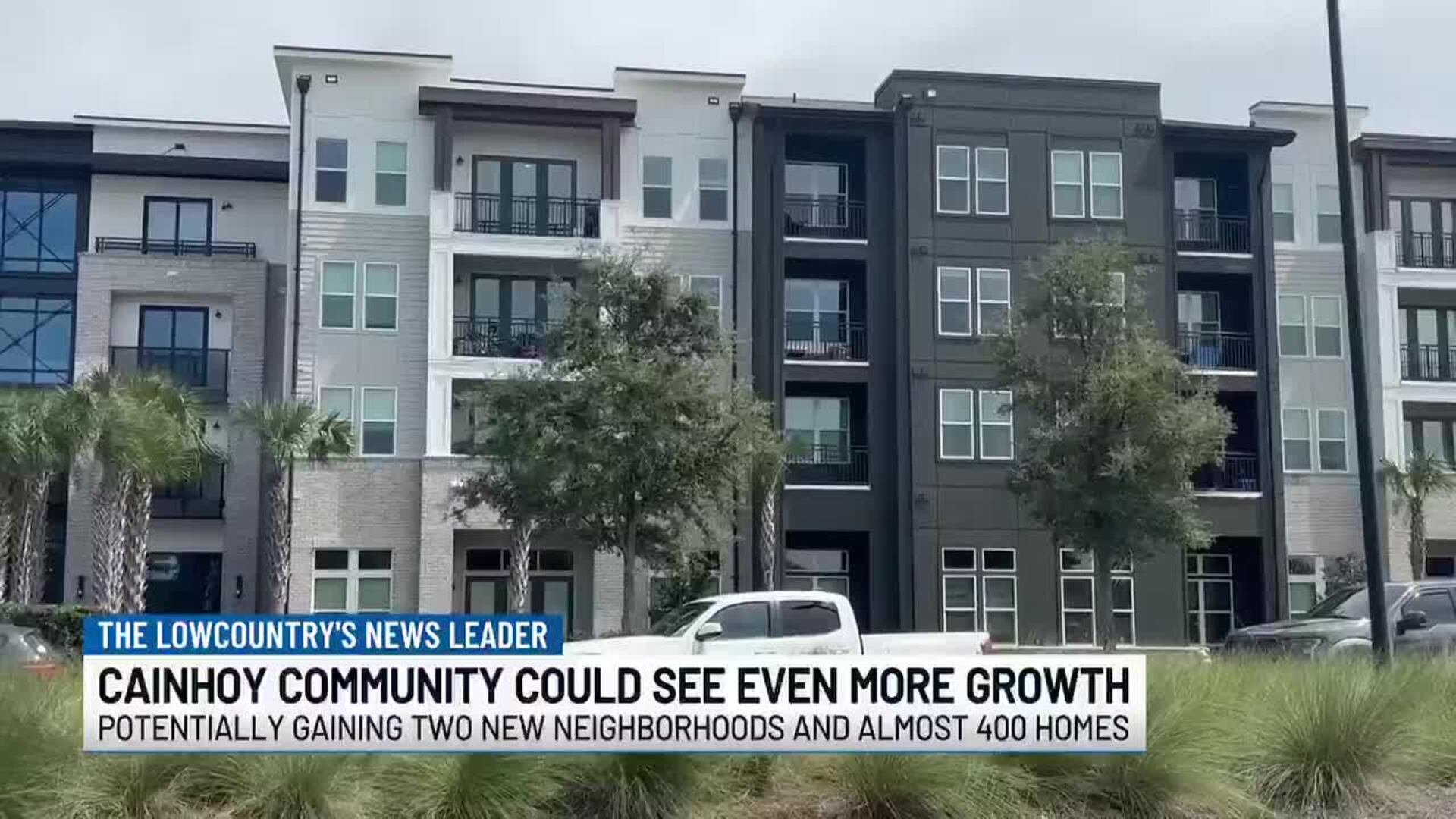
Now, the stakes are even higher with the massive Cainhoy Development planned less than 20 miles north of downtown Charleston. This largely undeveloped 9,000-acre landscape is the future site of at least 12,000 new residential and commercial units, 700 to 900 docks, and tens of thousands of new residents—adding significant pressure to already congested roadways, most notably Clements Ferry Road and Highway 41. To construct this new city, the developers will fill nearly 200 acres of wetlands and will place approximately 45% of the homes within the floodplain.
The Southern Environmental Law Center has already gathered more than 4,100 signatures (and counting!) urging Charleston City Council and the Mayor to improve the development agreement they signed with the property’s landowners 30 years ago when the rural condition of this area was very different.
Concurrency planning is a critical part of getting this development right.
What is concurrency?
- Concurrency refers to policies that tie development approvals to infrastructure readiness. In practice, it means:
- Local governments can delay or condition new development until it is shown that infrastructure can support it.
- Developers are required to include infrastructure improvements in their plans to show that their development will not overburden existing residents and resources.
- Communities can grow in a fiscally responsible way that doesn’t jeopardize the quality of life for existing residents or visitors.
It is important to note that concurrency does not stop growth. It simply ensures that growth is responsible, predictable, and fair.
Why does concurrency matter in Charleston?
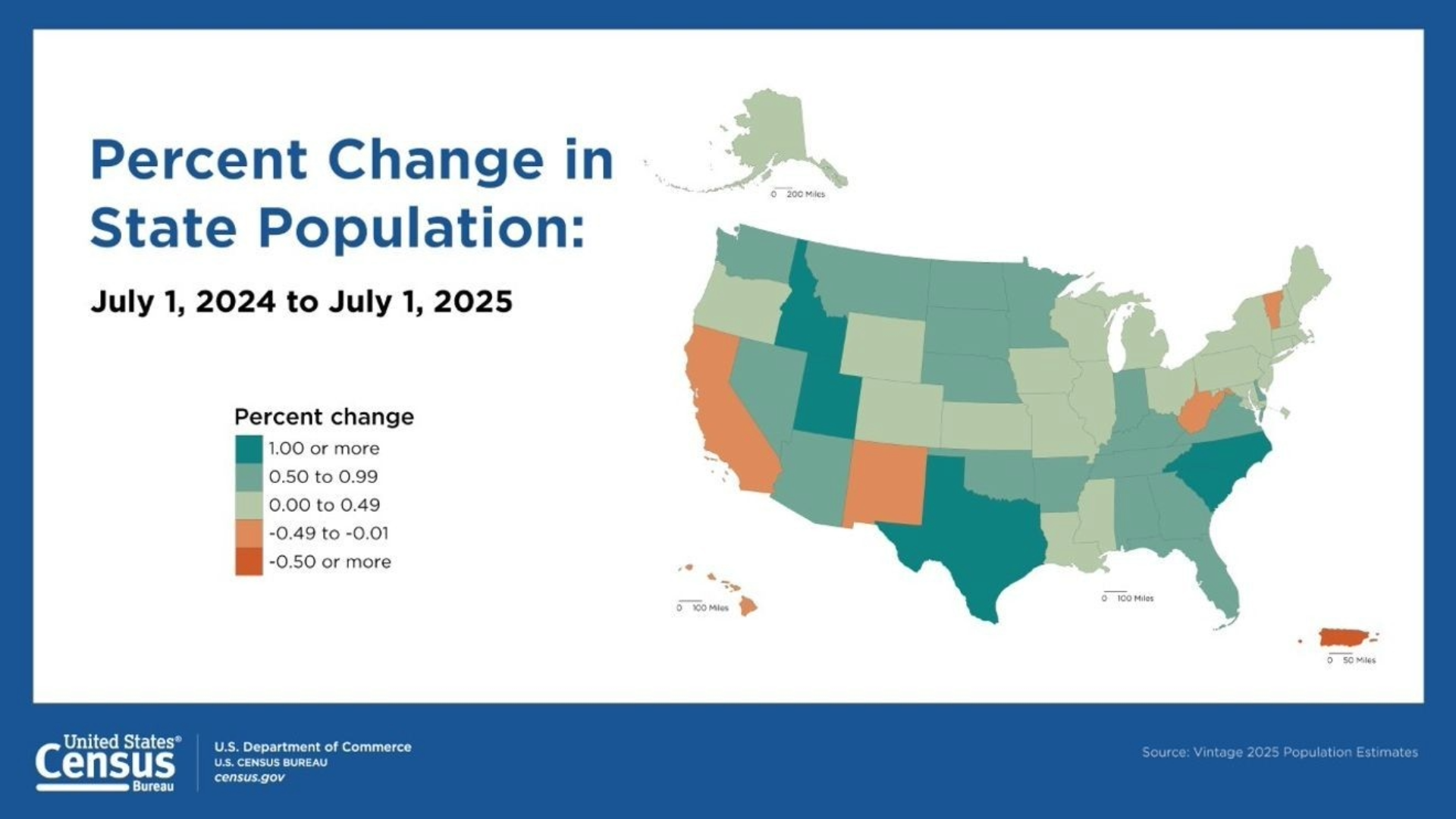
South Carolina is the fastest growing state in the country. Since 2010, more than 500,000 new residents have arrived. The Charleston metro area has more than doubled since 1990, and another 200,000 people are projected to arrive by 2050.
This growth brings opportunity—but also new pressures. Charleston is already feeling the effects of increased traffic congestion and flooding, as road and drainage systems are becoming overburdened and outdated.
Concurrency policies are essential to ensuring that development doesn’t outpace the infrastructure required to sustain it—or sprawl farther into the fringes of our metro region, destroying the natural beauty that attracts people to the Lowcountry in the first place.
Other states have shown that concurrency works. Florida uses concurrency at the state level to encourage development where roads and utilities already exist. Washington gives local governments authority to pause development until infrastructure catches up.
Without it, suburban sprawl (low density development that extends further from a city’s core) results in higher taxes, reduced quality of life, more traffic, and increased pressure on historic and rural landscapes. Thankfully, our cities and counties are waking up to the fact that sprawling single-family tract home developments do not pay for themselves with an increased tax base.
Why HCF Supports Concurrency
At Historic Charleston Foundation, we aim to protect Charleston’s historic character while ensuring that the city remains livable and resilient. Smart growth and historic preservation go hand in hand. A walkable, resident–friendly downtown is Charleston’s best defense against the pitfalls of suburban sprawl.
Concurrency is a tool that helps:
- Protect historic neighborhoods and natural landscapes from unchecked sprawl
- Encourage development in areas already supported by infrastructure
- Empower cities and counties to make fiscally responsible decisions
- Ensure developers—not local taxpayers—pay for the infrastructure their projects require
Without policies like these, development pushes farther into rural areas, threatening historic landscapes, increasing car dependency and congestion, and requiring costly new infrastructure that taxpayers must subsidize for decades.
One way to reign in sprawl is to support urban infill development, building within the existing urban or suburban footprint where infrastructure already exists. That is part of the reason HCF supports infill and urban housing efforts like Union Pier and Project 3500.
Concurrency ensures large projects like Union Pier fit into existing infrastructure networks rather than pushing development farther into more fragile rural areas.
Mayor Cogswell’s goal of 3,500 new affordable housing units is only achievable if those units are located close to jobs, transit, schools, and services. Concurrency supports this effort by ensuring these homes are built where infrastructure can sustain them.
Concurrency at the South Carolina Statehouse … and Beyond
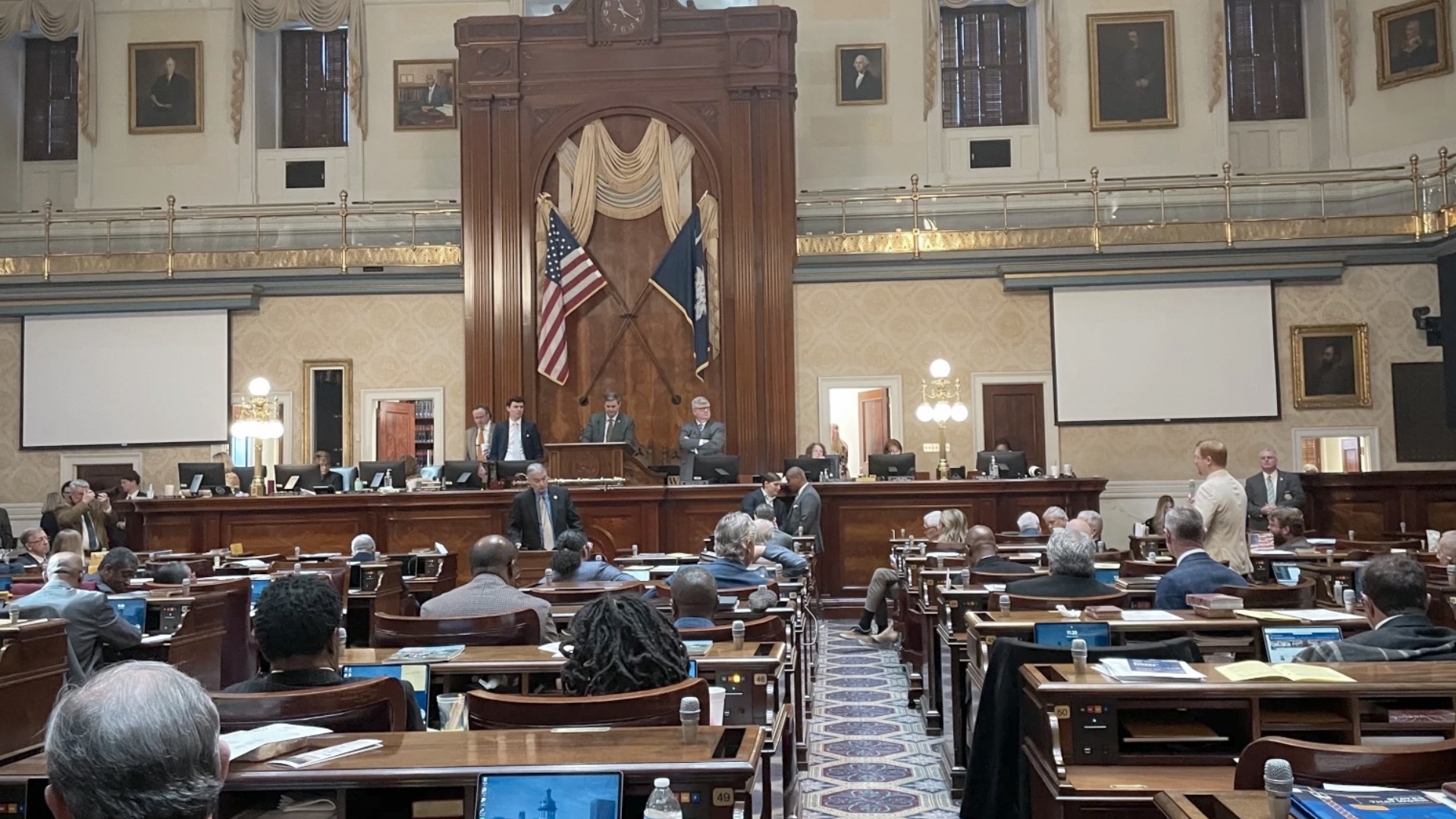
Two bills—H.4050 in the House and S.227 in the Senate—would give South Carolina cities clear legal authority to implement concurrency programs.
- H.4050 is on the docket this week at the House 3M Committee.
- S.227 is currently being reviewed by the Senate Committee on Labor, Commerce, and Industry.
HCF supports H.4050 and S.227 because these bills protect South Carolina taxpayers, strengthen local planning, and promote responsible growth. With these bills signed into law, cities like Charleston will have legal protections to create concurrency policies at the local level.
The Charleston metro region will continue to grow. Let’s work together and empower local planners (through the state’s concurrency legislation) to ensure we grow in a way that honors our past, preserves our surrounding natural landscapes, supports residents, and protects our future.