


A Lasting Commitment to Charleston’s Historic Fabric: New Easement Donation on Pitt Street

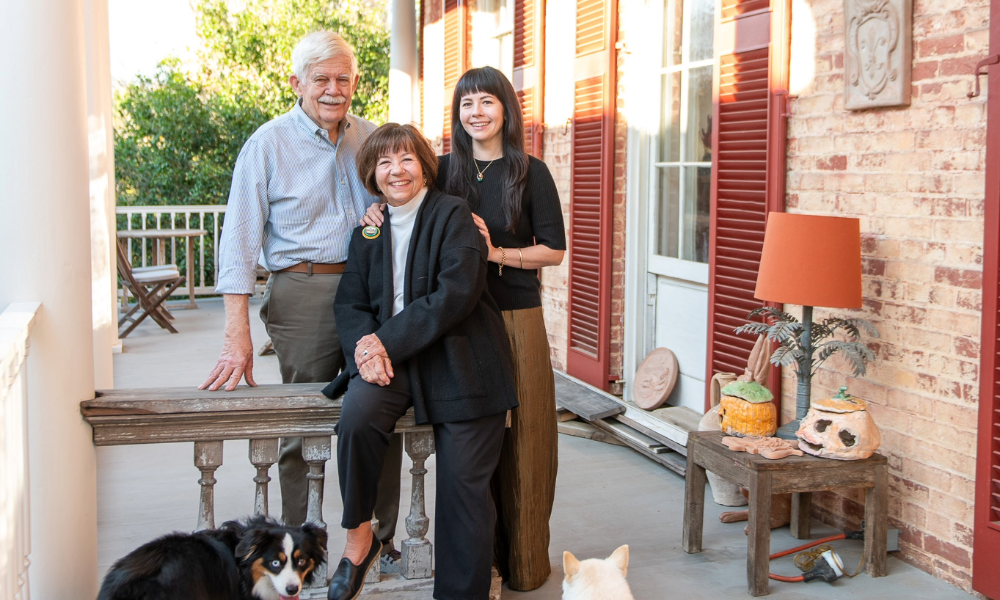
On Pitt Street, one of Charleston’s historic Greek Revival homes is now protected in perpetuity, thanks to an interior and exterior preservation easement donated by David and Scottie Hoffman to Historic Charleston Foundation (HCF). This easement donation reflects a shared belief that Charleston’s historic buildings are irreplaceable cultural resources, worthy of thoughtful stewardship for generations to come.
A resilient house and a loving home
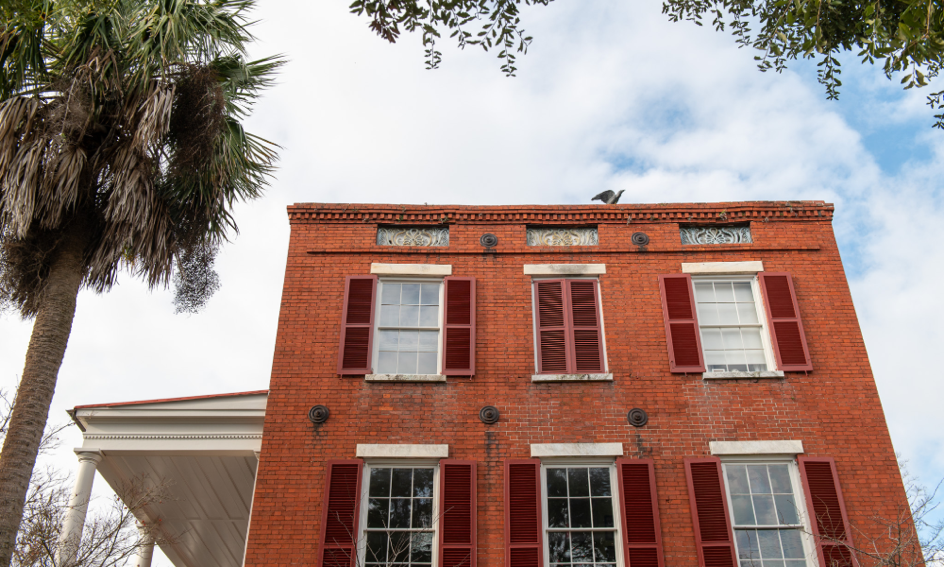
Built between 1837 and 1841, the Greek Revival single house on Pitt Street served as the Pitt Street Female Academy in 1857, exemplifying the evolving uses of historic homes in Charleston’s educational and social history. Astoundingly, the home survived the Civil War and Hurricane Hugo with very little damage; a rare distinction that underscores its quality construction and resilience. The property’s intact features include the original plasterwork, mantels, doors, floors, and hardware.
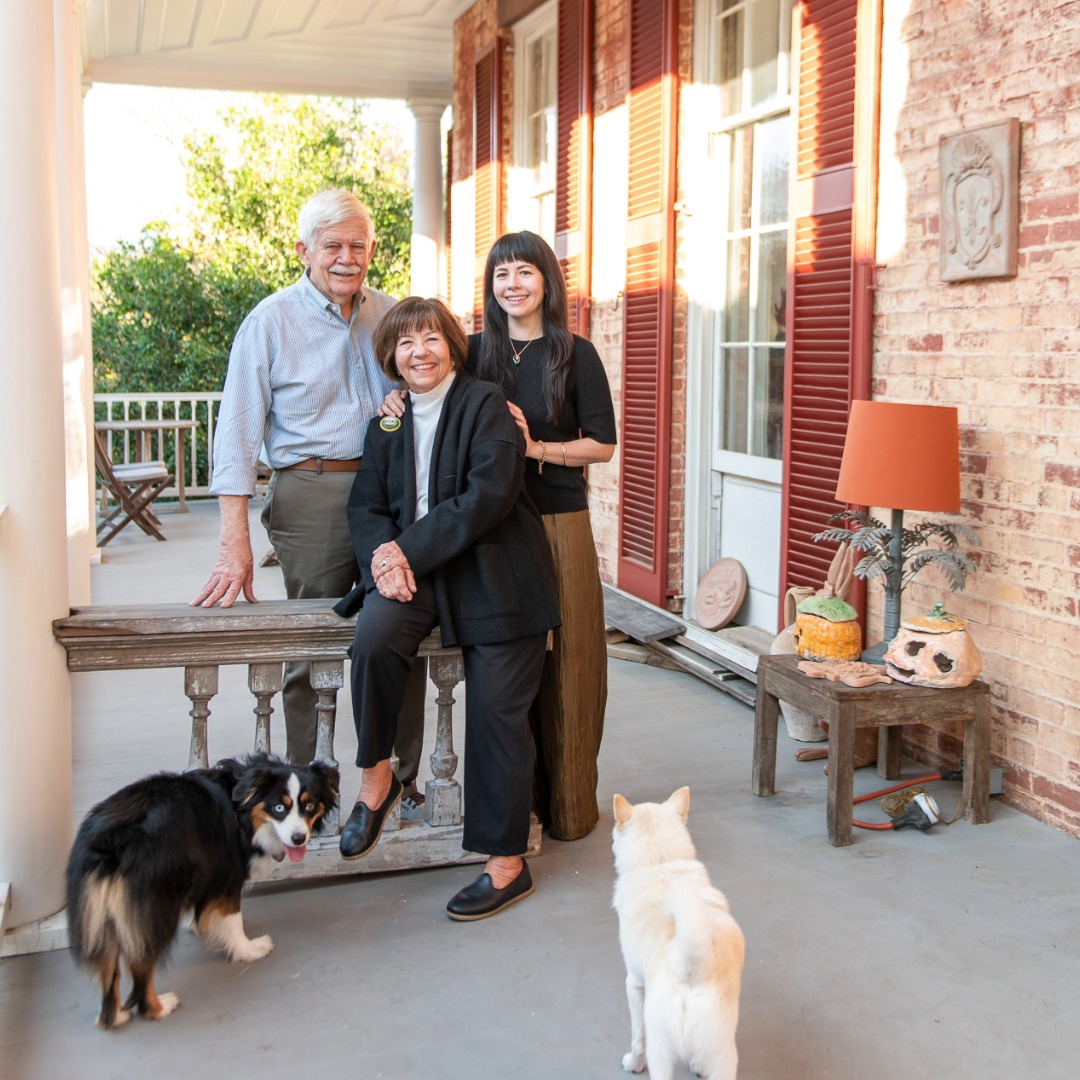
In 1983, the Hoffmans purchased the historic antebellum property on Pitt Street and have spent the last 43 years carefully preserving it. Work over the years has been extensive and has included repairing and reconstructing the central staircase, carefully replicating and replacing missing historic plaster at the crown molding and ceiling medallions, and restoring original windows and shutters, all while raising their two daughters in the house and running their construction business on the ground floor in a space originally built as an office by the first owner. As a result of this exceptional stewardship, this property authentically reflects the best of Charleston’s historic architecture.
In addition to this demonstrated and extraordinary stewardship of a historic house for future generations, David is also a widely respected craftsman and preservationist who founded Edgewood Builders, alongside his wife Scottie. With restoration work spanning across Charleston’s most important historic sites like Drayton Hall, the Joseph Manigault House, and the Foundation’s two historic house museums, David’s work has been featured in Garden & Gun, Charleston Magazine, and The Post and Courier, and he continues to highlight historic craftsmanship through his Instagram account, @UnrepentantClassicist
Why this matters
“The easement, for us, is a guaranteed process to protect a historic house we have worked on for over 40 years to preserve.” – David and Scottie Hoffman
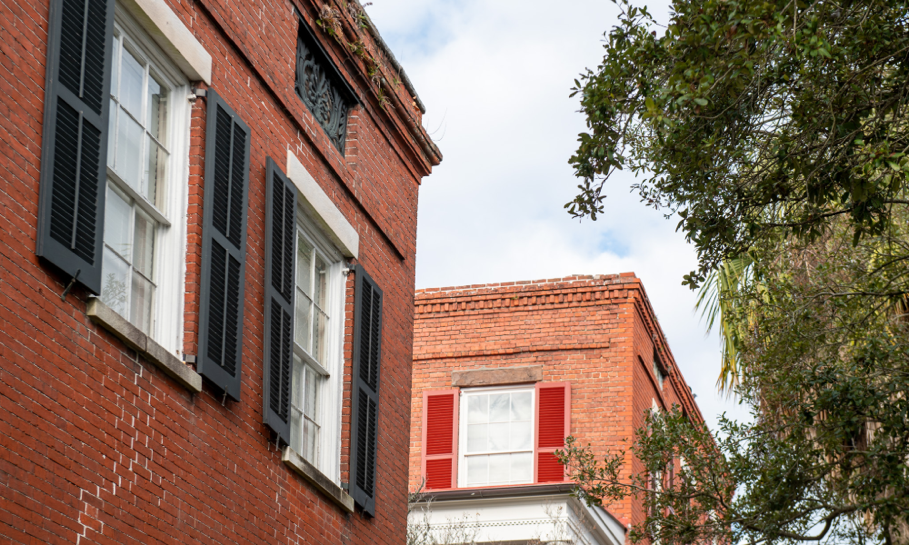
With the preservation easement now in place, any future owner of the Pitt Street residence will be legally required to protect and maintain the property and its historic features, such as original floors, windows, plaster walls, ornamental plasterwork, and crown moldings—elements that give the house its authenticity and sense of place. The easement safeguards the investment the Hoffmans have made to painstakingly preserve their property over 40 years. Regardless of its owners, the Foundation will continue to be a co-steward of the historic home, inside and out.
Our most powerful preservation tool
“If a neighbor asked us about easements, we would highly recommend they do the same for their historic property to protect it. We have always felt the easement is the only true process for protection of historic structures. No matter what happens with a property sale, or perhaps a City board change, the easement protection remains in place reflecting the wishes of the donor to preserve the historic fabric of the structure.” – David and Scottie Hoffman
Preservation easements are one of the most meaningful ways property owners can help to ensure Charleston remains a national standard for historic preservation. Easements like this one are recorded at the Register of Deeds and run in perpetuity with the land, ensuring that preservation commitments endure well beyond individual ownership. They provide lasting protection, clarity for future owners, and a framework for responsible stewardship —balancing private ownership with the preservation of Charleston’s historic character. Nearly 80 years after its founding, Historic Charleston Foundation holds nearly 400 easements on properties throughout the Charleston peninsula, including a handful that reach across South Carolina. Thanks to the extensive partnerships and responsible co-stewardship, Historic Charleston Foundation’s largest and most effective tool for Charleston’s preservation is the easement and covenant program. HCF is deeply grateful to David and Scottie Hoffman, and all our partner homeowners, for their extraordinary dedication to historic preservation and generous donation to the program.
“It has been and still is our wish to see many more easements put in place in Historic Charleston and the Lowcountry. And we have always felt the oversight of the easements by Historic Charleston Foundation is one of the key factors in making a good easement program.”– David and Scottie Hoffman
To learn more about preservation easements or to explore whether an easement might be right for your property, reach out to Joyce Pope, Easement Manager with Historic Charleston Foundation via email.