


The Free Black Man Who Built Charleston's Seafood Empire From a Rowboat
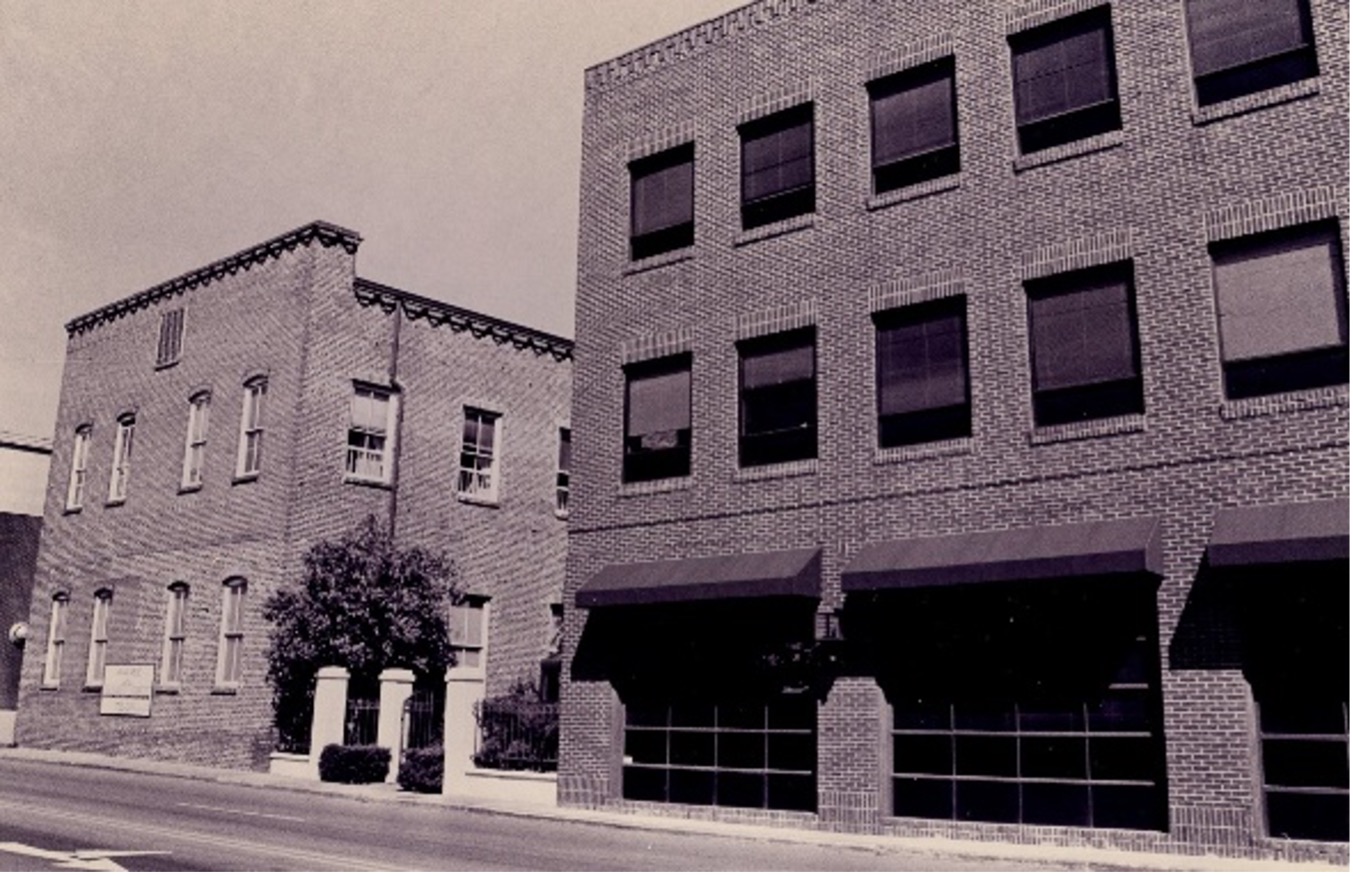
The Carroll Building, located at the corner of North Market and East Bay Streets, has been in the news recently with its purchase by Ben Navarro's Beemok Hospitality Collection for $11.5 million in September 2025. Beemok then generously donated the prominently placed property to the College of Charleston for the expansion of its business school the very next month. Considering the history of this corner, this is quite an apt use. The building's namesake is Thomas W. Carroll, a successful seafood business owner and ice manufacturer who hailed from Canada. He also built the smaller historic building located at 234 East Bay Street from 1906 to 1910 — the one some may remember for having “Big Fish” painted on its side. But did you know that he purchased his wholesale seafood enterprise, along with W. P. Hyams, Jr., from one of the wealthiest Black businessmen in Charleston, Charles C. Leslie? Leslie was born a poor but free man in Chandler, a rural crossroads settlement located in present-day Mt. Pleasant. Through extraordinary maritime knowledge, business acumen, and outstanding partnerships in both Black and white circles, he went on to purchase one of the largest homes in Ansonborough.
Humble Beginnings
Homeschooled in reading, writing, and mathematics, Leslie received an education not afforded to all free men of color. He gained considerable maritime knowledge while still a teenager, studying the local coastline and Charleston's harbor for any challenges in navigation and access. In the years just before the Civil War, he was considered a supreme pilot and navigator, and his skills became sought after by local merchants to deliver goods.
Early in His Career
Not much is known about the full extent of Leslie's activities during the Civil War. He kept a diary during this time, but unfortunately it was misplaced by his daughter sometime in the mid-1900s. It appears that in his early twenties, Leslie profited from his extensive study of Charleston's harbor and area waterways by running guns and supplies to the Confederacy. By the end of the war, he had formed a partnership with a Cuban ship captain, A. Frances Lopez. Together they raised enough funds to own a small fleet of vessels. They also set up nets and traps in local rivers, modifying them to prevent theft and making it quite difficult for others to steal their bounty. They paid other Black men to fish alongside them, as there were many recently freed men eager to earn wages.
After the war, many African Americans used small boats to earn their living harvesting local seafood, earning them the name “Mosquito Fleet”. Freedmen and local white fishermen were also in competition with northern-owned fishing operations that primarily fished offshore for shad and bass, known as the Smack Fleet.
Trash Fish to Table: Leslie's Recipe for Success
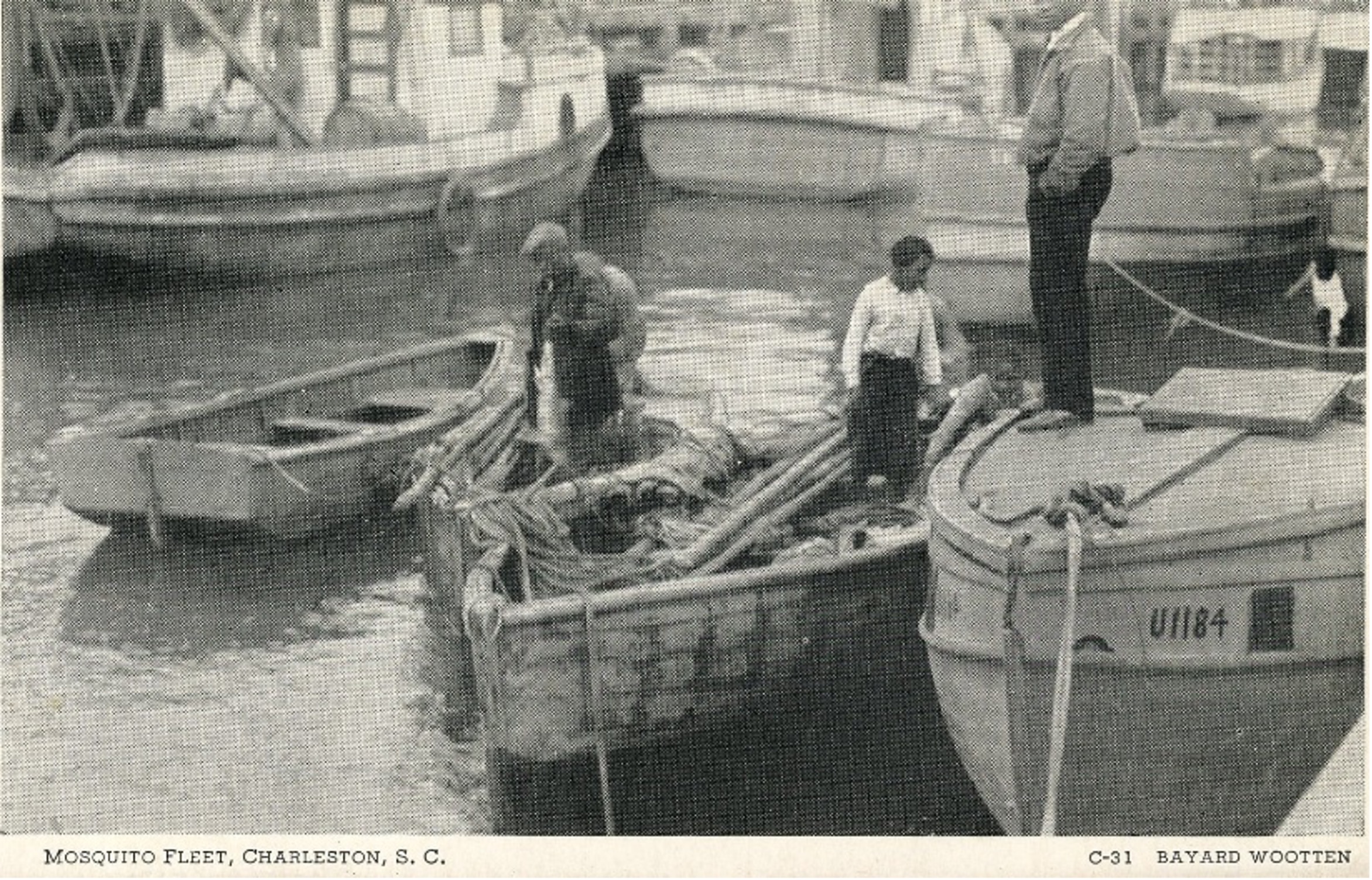
As Leslie grew more prosperous, he began purchasing the catch of other freedmen and became increasingly competitive in his tactics. He offered local fishermen a straightforward choice: either let Leslie have first pick of the catch, or risk being undersold by him and left with very perishable product by day's end. Most fishermen ended up being grateful for the arrangement. Leslie was known to pay cash immediately and always keep his word. He earned the trust of the local fishing community, and this saved fishermen the added inconvenience of selling directly to customers or other vendors. By the 1870s, most Black-owned fishing boats were in a contractual agreement with either Leslie or his rival, a white man named J. S. Terry. This arrangement became so successful that the Yankee fleet departed Charleston in the 1880s. During this time, however, a new problem arose: those once-bountiful catches of shad and bass were growing scarcer with so many harvesting the same waters.
At the same time, Leslie began offering a new variety of fish in his stalls including blackfish, bream, grunts, hake, jacks, oysters, pompano, porgy, red snapper, squirrelfish, turtle, and crab. These humbler harbor creatures that poor white and Black people would buy off the wharves would previously have been dismissed as “trash fish.” Leslie displayed them as legitimately as any other fish, but at an attractive lower price, and soon captivated the interest of customers with means as well. He even championed the shrimp industry; shrimp were often used as bait, but he began selling them for food. He not only sold these newly celebrated delicacies from his retail locations — he also began selling wholesale to other retail markets, restaurants, and hotels, and shipping to northern markets. Local chefs became enthralled with the expanded options and developed new recipes for public consumption. It is no coincidence that standard Charleston dishes like crab pilau (also known as perloo) and shrimp and grits came into fashion in the late 1800s.
.png)
By the 1880s, Leslie and Terry dominated much of the Charleston seafood market, and Leslie's wealth had grown substantially. This allowed him to invest in the Black community — assisting in the building of a church and a bank for African Americans, participating in fraternal organizations, and engaging in politics. He felt the call to improve conditions for his fellow African Americans and to set an example of Black wealth building. Nothing illustrated this more than the purchase of his grand house in Ansonborough in 1904, at the age of 63. The home at 72 Anson Street — now known as the Kohne-Leslie House, and previously the Benjamin Simons Neufville House — was clearly a source of deep pride. This gorgeous 4,433-square-foot Greek Revival home was shared with only his wife and one daughter for a mere seven years before his passing in 1911, at the age of 70.
His wife, Mary Christina Leslie, preceded him in death by two years. Their daughter Julia lived in the home until she sold it to Historic Charleston Foundation in 1959. The home suffered considerable damage to the first floor in a fire; the elderly Ms. Leslie was not residing there at the time, and the home was uninhabited when it came to HCF. HCF sold the home in 1962 to Amalie Stone Walker of Greenville, who earned a Carolopolis Award in 1964 following considerable restoration. She sold the home to Mr. and Mrs. Rodney W. Williams in 1969. After a happy stay of 23 years, they sold to Peter McGee in 1992, an honored preservationist and longtime HCF board member, who also owned the home for 23 years. Mr. McGee sold 72 Anson Street to its current stewards, Pam and Richard Scurry, in 2015.
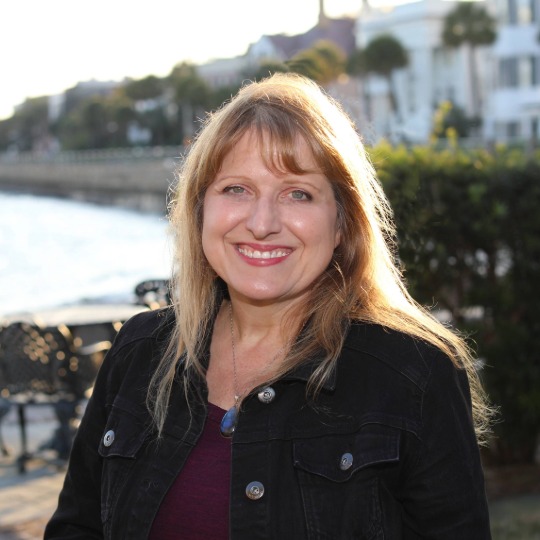
A very special thank you to Mr. and Mrs. Scurry for their valuable contributions to this article, and stewardship of their historic home.
Additional Milestones
Beyond Charles C. Leslie's significant contributions to expanding the variety of seafood consumed in Charleston and to the business of foodways in the city, he made considerable donations to his community and to science.
- Leslie was a co-founder of St. Mark's Episcopal Church.
- He served as an officer in the Charleston Chapter of the Prince Hall Masons.
- He was a key organizer of the Unity and Friendship Society; his grave is located in the Unity and Friendship Society Cemetery near Magnolia Cemetery.
- Leslie and six other Black businessmen formed the Workingmen's Building and Loan Association, and he used a portion of his wealth to underwrite loans.
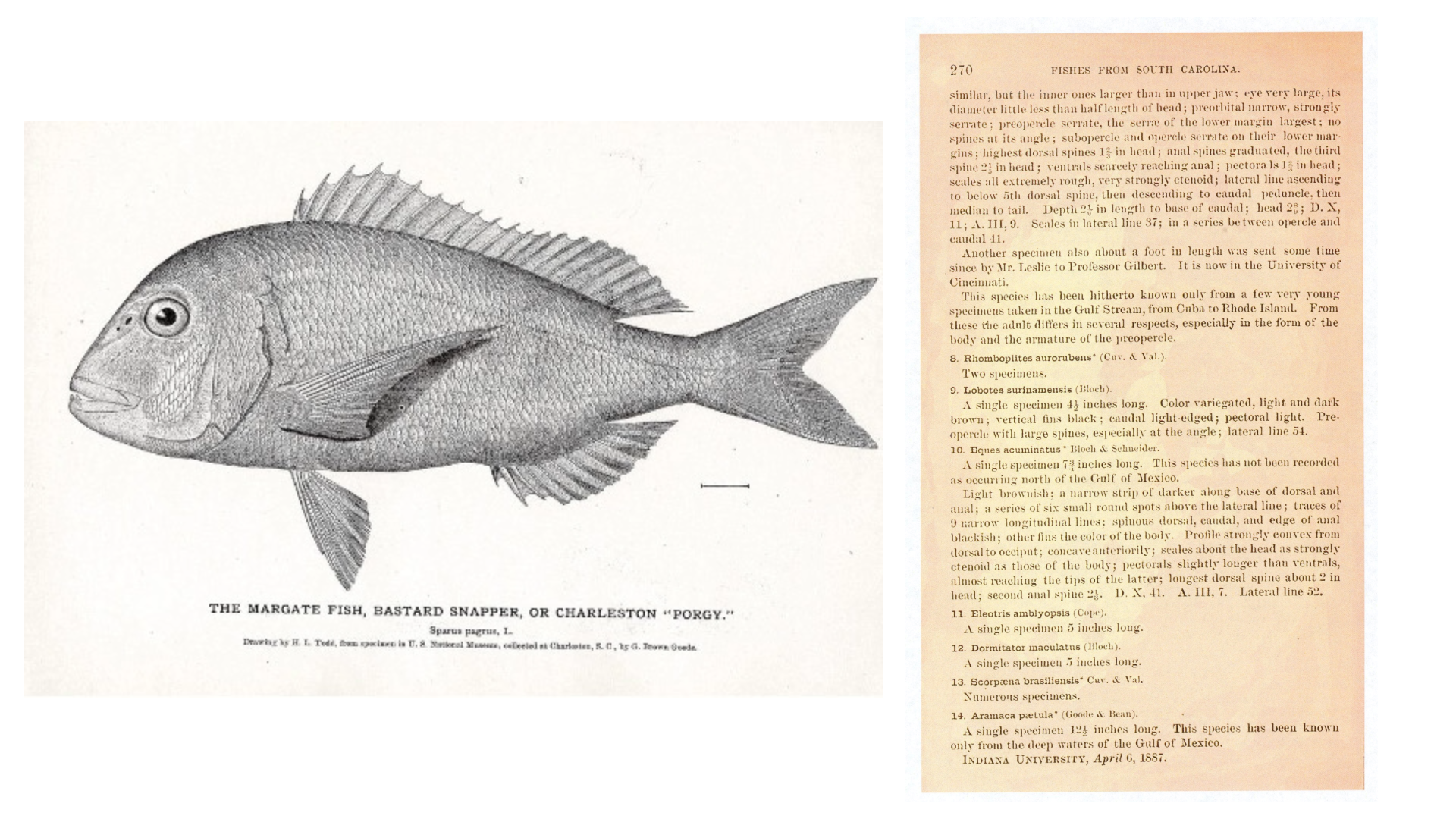
- Leslie made significant scientific contributions to the study of marine life. He sent pinfish to T. H. Bean of the Smithsonian, donated Lowcountry native fish specimens to renowned ichthyologists at the U.S. National Museum, and in 1882 sent a tank of live Charleston fish to Indiana University's museum. Several species had not been recorded in the Charleston area prior to his involvement, and a series of drawings were created from his specimens. Leslie conducted extensive self-directed study of local marine life — furthering his business, deepening his expertise, and satisfying a genuine natural curiosity. He even established a soft-shell crab nursery to greatly increase his ability to sell crabs in this prized transitory state.
References
- Carson, M. (1966, February 4). Miracle on Anson Street: Redemption of a Heritage. Charleston Evening Post, 1-C.
- McGee, L. (1963, March 21). Old Charleston House Owned by Greenvillian Gets Plaque. The Greenville News, 10.
- Powers, Jr., B. E. (1994). Black Charlestonians:A Social History 1825-1885. The University of Arkansas Press.
- Shields, D. S. (2015). Southern Provisions: The Creation & Revival of a Cuisine. The University of Chicago Press.
- Smith, Jr., D. M. (2010). African-Americans and Charleston: Histories Intertwined. Blurb.
- Thomas, W.H.J. (1970, November 16). Some houses Undergoing “Second” Restoration. The News and Courier, 1B.
- Historic Charleston Foundation Margaretta Childs Archives: Property Files for 234 East Bay and 72 Anson Streets; The Photograph Collection; The Pamphlet Collection (1889 Business Guide of Charlston, SC).