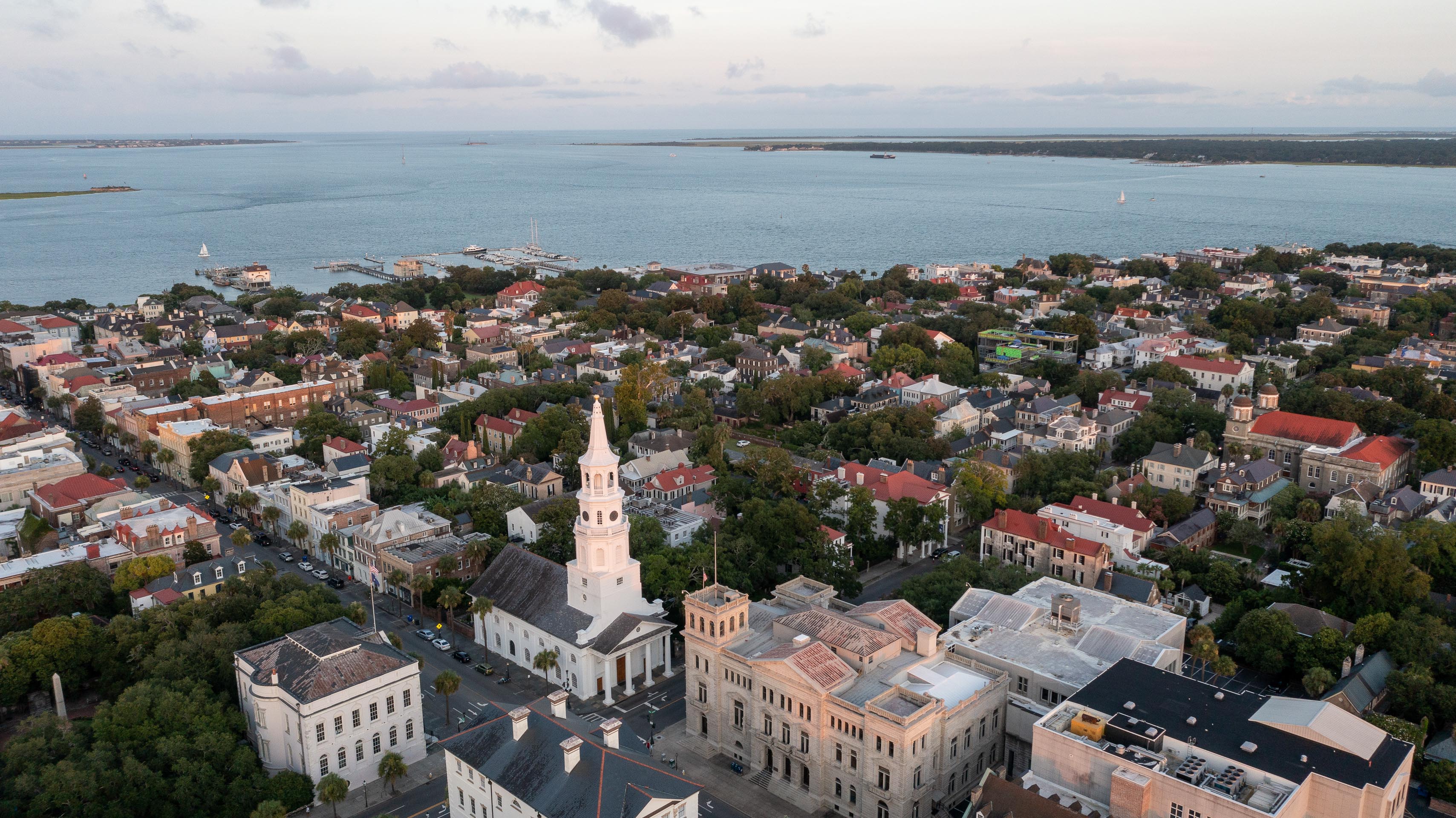
In 2025, Charleston welcomed nearly 8 million visitors and generated $14.3 billion in economic impact. The city's appeal is undeniable. So is the responsibility that comes with it.
Charleston residents regularly experience busy restaurants, sidewalks, and streets full of visitors—especially on the downtown peninsula.
Who can blame them? Charleston IS a great place to live and visit, and it has been for decades.
Part of what makes Charleston so appealing as a tourist destination includes its architecture, beaches, thriving food scene, and upscale shopping—but most importantly, this is a living, vibrant community in a city with a deep and fascinating history.
To be clear, Historic Charleston Foundation is part of Charleston's tourism industry. The Foundation benefits from visitors who frequent our world-class historic house museums. In addition, HCF also hosts its annual spring fundraiser, The Charleston Festival, to showcase our history while working simultaneously to protect the integrity of Charleston’s built environment through our advocacy at the local planning level.
The question the Foundation is helping to answer is: How does our historic city balance our growing tourism industry and economic health with the livability of residents?
There is no shortage of resources to help guide our next steps in making decisions that benefit tourists and the community.
Historic Charleston Foundation has a long history of helping to navigate challenges and opportunities as this industry expands. We work on a daily basis to keep buildings, community, and history front and center. In doing so, we play an invaluable role in supporting visitor and resident wellbeing.
Implementing best practices from peer cities, we are working with the community and elected officials to address the following:
And to ensure that tourists are here to appreciate and respect our culture and history through:
By working with neighborhood associations and residents, the Foundation advocates for policies and strategies that address tourism’s challenges and opportunities through the lens of the residents.
As a resident, you want to stay updated on any opportunity to engage with the planning process and add your voice to the conversation. One of the best, and easiest, way to do that as is to SUBSCRIBE to The Latest, HCF's NEW, bi-weekly newsletter dedicated to advocacy issues like tourism management. If you have any questions, reach out to our team: