


Advancing Responsible Tourism in Charleston


As the tourist season is in full swing, we are pleased to share an update on HCF’s support and leadership in the City of Charleston’s responsible tourism initiative.
As you may recall, HCF served as the community partner to the City’s tourism initiative with Bloomberg Associates last spring. We helped connect many of you with the Bloomberg team by facilitating information exchanges both through our spring Advocacy Forum and individual stakeholder engagement meetings. Working with Bloomberg and the City, we were able to prioritize issues, and then the Bloomberg experts identified innovative cities around the world to serve as case studies for consideration.
We have exciting news!
The City recently shared the Bloomberg report with us, and we are ready to translate some of their recommendations into an updated Tourism Management Plan for Charleston, with specific and actionable measures. Based on recommendations from Bloomberg, the Mayor unveiled five key themes at our recent Advocacy Forum:
- Residents First
- Data Ownership
- Diffusing Tourism
- Policy Enforcement
- Revenue Opportunities
HCF supports these thematic priorities and is looking forward to working with city staff to advance clear and implementable strategies within each focus area. Below are some examples of how HCF plans to play a leadership role in this effort.
Putting Residents First
A “residents first” approach begins with meaningful public engagement. HCF is focused on ensuring that residents’ voices are heard and reflected in any policy changes. Charleston is a living, thriving community that welcomes visitors, and tourists need to better respect the daily lives of those of us who call it home.
To put resident needs first, HCF supports:
- Expanding public engagement opportunities and transparency in decision-making as it pertains to tourism
- Providing visitors with accessible, targeted education on respectful behavior and community values
- Exploring resident-focused benefits, such as priority booking for off-peak dining and locals-only access to select events
- Strengthening collaboration with local organizations
- Adopting strategies to address quality-of-life concerns
- Rotating routes for parades, festivals, and races so no one neighborhood is overburdened
- Strengthening the Accommodations Overlay and short-term rental policy
- Updating parking technology to steer visitors to available spaces and away from residential streets
Data Ownership and Transparency
HCF supports ensuring that the City owns and manages tourism-related data. This data must be:
- Focused on resident impacts—not solely industry-focused statistics
- Used to guide balanced, data-informed decision-making
- Transparent and accessible on a public dashboard or equivalent platform
- Shared in annual "state of tourism" forum hosted by the city
Diffusing Tourism
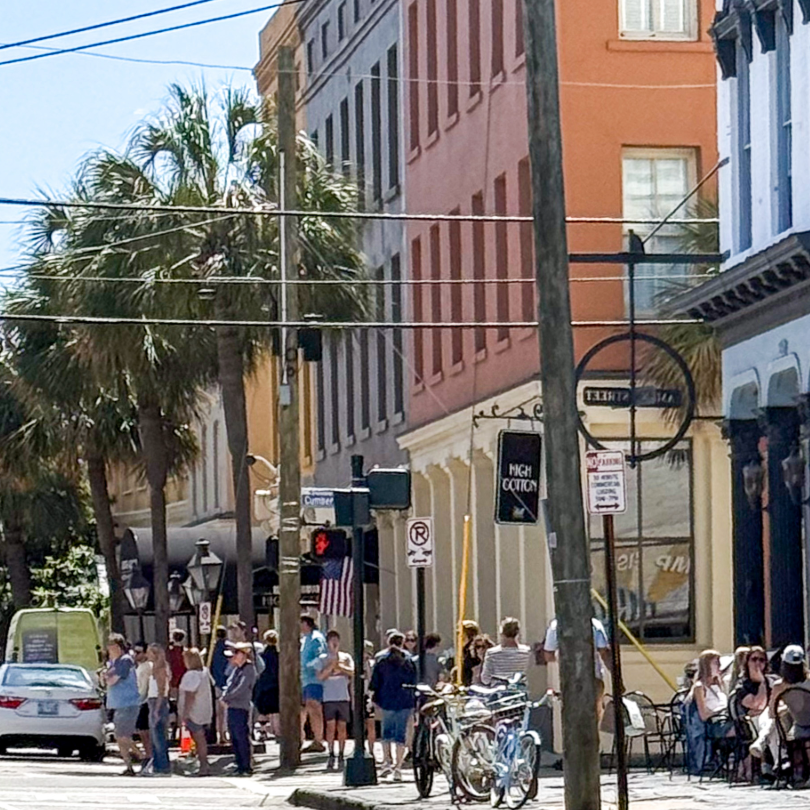
Efforts to better distribute tourism throughout the City are intended to reduce the excessive impacts and congestion along heavily travelled corridors downtown. HCF supports diffusing tourism through:
- Promoting destinations beyond the historic core, particularly on the Upper Peninsula
- Highlighting assets such as Hampton Park and surrounding neighborhood businesses by providing better mapping and resources on the area’s history
- Using storytelling, education, and marketing to encourage broader exploration of the region
Policy Enforcement
Effective policies require consistent enforcement and data-driven updates. HCF supports:
- Increasing staffing and resources for enforcement and further defining the roles of Tourism Enforcement Officers
- Reviewing, strengthening and updating the Tourism Ordinance and related regulations to ensure that they are focused on addressing impacts on residents and that they do not disproportionately affect local businesses
- Capping walking tour groups at 10–12 people
- The elimination of large coach tour buses south of Calhoun Street
- Providing infrastructure and resources that allow local tour companies to adhere to the regulations, i.e., watering stations and crosswalks between Hazel Parker and White Point Garden
- Updating the 2011 Tour Guide Manual
Revenue Opportunities
HCF supports exploring revenue strategies that better align tourism impacts with funding needs, including:
- Working with other tourist destinations, like Myrtle Beach and Beaufort, to adjust the state sales tax cap for tourism-driven municipalities, with exemptions for essentials such as groceries, medicine, and utilities—ensuring the financial burden falls primarily on visitors
- Evaluating accommodations and hospitality tax structures (and any other funding mechanisms) to increase funds that improve the City
- Improving overall transparency on how funds are collected and distributed ensuring that residents have a voice in how funds are allocated to protect livability and quality of life
Historic Charleston Foundation is committed to working alongside city leaders, partners, and you to ensure that these updated tourism priorities, as well as the City’s housing and livability goals, are incorporated into the Peninsula Plan. We consistently aim to advance a tourism economy that protects the livability, beauty, culture, and quality of life that Charleston’s residents value most. We look forward to continuing this work with you and to building a more balanced, sustainable future for Charleston.
Resources from the City of Charleston: