


USDA Lab Response

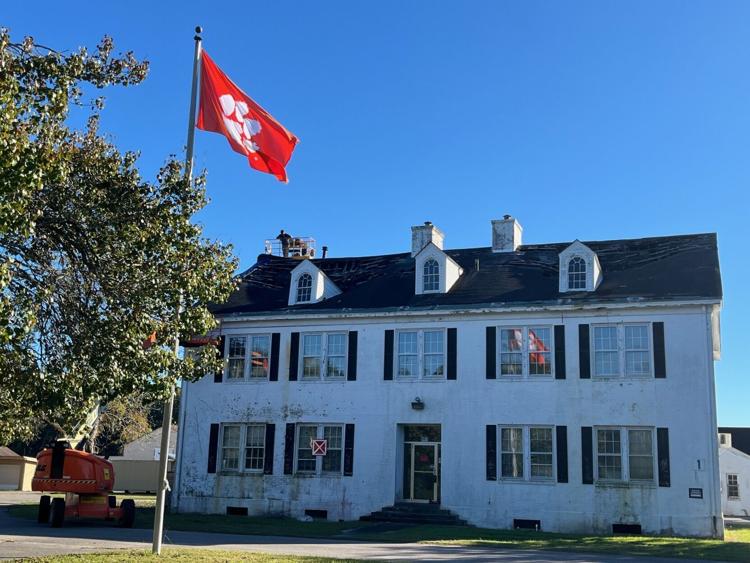
On January 5, Historic Charleston Foundation (HCF) stood with West Ashley residents to oppose the demolition of the historic 1930s USDA Vegetable Laboratory at 2875 Savannah Highway. The community response was overwhelming—48 of 51 written comments submitted to the Design Review Board (DRB) urged the board to protect the building and deny Clemson University’s demolition request.
.jpeg)
After hearing the public’s concerns and reviewing the building’s history and condition, the DRB voted 4–2 to deny demolition, instructing Clemson to return by the end of August with a stabilization plan. This was a clear affirmation of the DRB’s purpose: to protect the visual, historical, and architectural character of Charleston’s corridors.
The public process was working.
But this week at City Council, the demolition issue resurfaced in the form of a legal settlement agreement brought forward on Tuesday, February 24—frustrating HCF and many residents who had again voiced their concerns.
The agreement, negotiated between Clemson and the City behind closed doors, effectively overturns the DRB’s decision and allows Clemson to demolish the building.
Despite receiving 35 additional written public comments opposing the settlement, City Council unanimously approved the agreement following executive session.
We Are Disappointed—But Even More Committed to Better Outcomes
The decision to overturn the DRB and allow demolition raises significant concerns about:
- The authority and integrity of the Design Review Board
- The transparency of settlement negotiations
- The precedent set when historic buildings can be demolished despite clear public and DRB opposition
- Ongoing issues of preservation and reinvestment in West Ashley, where historic resources have long-faced disproportionate pressure
Why This Building Matters—and Why HCF Opposed Demolition
To some, the structure may appear to be just a dated office building. But the USDA Vegetable Lab is one of West Ashley’s most important—and least understood—historic assets. Its significance spans architecture, agricultural science, federal policy, and local cultural identity.
An Irreplaceable Historic Structure
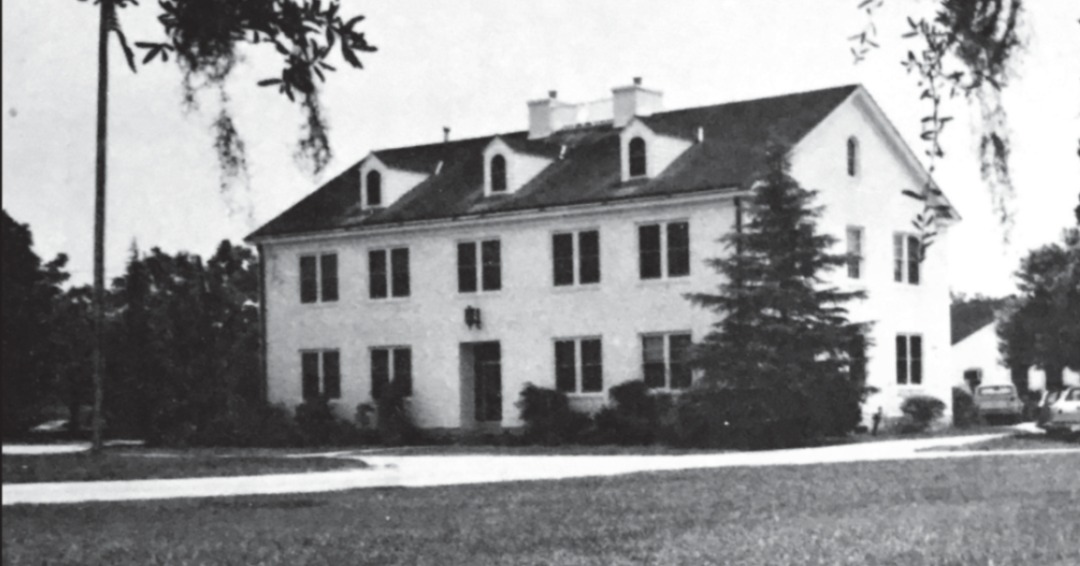
Built in the 1930s, the two and a half story white Colonial Revival building remains architecturally intact and representative of the New Deal era. At 89 years old, it is one of the most well-preserved buildings of its type in the region.
In 2015, the property was determined eligible for the National Register of Historic Places. When Clemson purchased the site in 2019, it did so fully aware of its historic status.
The lab was the first research facility established under the 1935 Bankhead Jones Act, a federal program intended to rebuild American agriculture after World War I. Research conducted here shaped crop production across the Southeast and offered vital innovation following the decline of the Lowcountry’s rice and cotton industries.
This is not just a building—it is a rare example of New Deal–era investment in scientific advancement and rural resilience, preserved in tangible form in West Ashley.
What the Public Told the DRB and City Council
Residents’ written comments reflected strong and consistent themes:
- The site represents important scientific and historic heritage.
- The building’s Colonial Revival architecture deserves preservation.
- Clemson’s deterioration of the building amounts to demolition by neglect, setting a troubling precedent.
- The structure is sound and viable for adaptive reuse.
- It is a visual and cultural landmark for West Ashley.
- The surrounding landscape and historic context matter.
- West Ashley deserves equitable investment, not more loss of identity.
- Property owners—especially large institutions—must practice responsible stewardship.
These voices helped shape the DRB’s decision—and they will continue to guide HCF’s advocacy.
Historic Charleston Foundation remains firmly committed to advocating for responsible stewardship, transparent public processes, and respect for the city’s historic preservation framework. The USDA Vegetable Lab decision underscores how fragile these protections can be when process is bypassed or undermined.
This building was more than a structure—it was a symbol of scientific innovation, federal agricultural investment, and nearly a century of community history. Its loss represents not only the demolition of a significant resource, but also a missed opportunity to invest meaningfully in West Ashley’s heritage, character, and future.
While we are deeply disappointed in this outcome, we are not deterred.
HCF will continue working to ensure that:
- The DRB’s decisions are acknowledged and respected.
- Settlement decisions affecting historic resources are transparent.
- Public participation remains central to land use decisions.
- West Ashley receives the preservation attention and investment it deserves.
The USDA Vegetable Lab has become a powerful reminder that Charleston’s preservation values must be actively defended. We remain committed to that work—and grateful to the residents, neighbors, and advocates who stand with us.
Stay connected with HCF's Advocacy and Preservation team:
- SUBSCRIBE to the new, dedicated bi-weekly newsletter focused on advocacy initiatives, “The Latest” HERE