


Why Archaeology Matters in Charleston

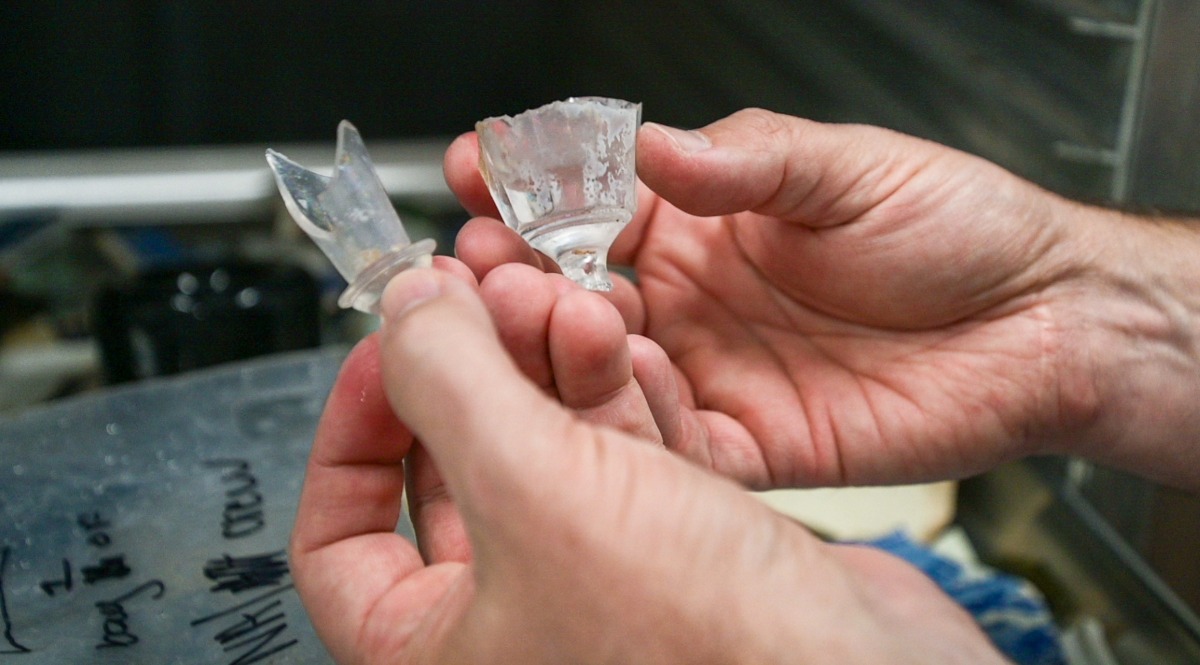
One of the many benefits of living in a historic city is that Charleston’s history surrounds us—not only in our buildings, but beneath them. From the remnants of long-gone structures to everyday objects used by generations of Charlestonians, the ground beneath our feet can reveal remarkable stories about the people who lived here.
That’s why archaeology is so important to understanding the past.
Historic Charleston Foundation’s easements include an archaeology requirement for homeowners who plan to build anything that will disturb the ground, including additions, new buildings, and pools. Before excavation begins, homeowners are required to work with a qualified archaeologist to conduct the necessary research to determine whether the work should be monitored.
This requirement has led to some fascinating discoveries at HCF easement properties. At one site, archaeologists noticed that excavation was uncovering a concentration of small, similar bones. Their training helped them identify them as cow toe bones—and recognize that, oddly enough, they had been used as part of a floor layer from an earlier structure.
Further research revealed that using cow bones in flooring was a practice found in Britain, raising even more questions: What kind of building once stood there? What was its purpose? When was it built, and who built it?
Other discoveries are more common but no less valuable: remnants of old outbuildings, animal bones, fragments of glass and ceramics, bottles, and pieces of historic buildings. Each can offer a glimpse into the daily lives of Charleston’s past residents, including the enslaved people who were not able to leave much of a written record.
It can be tempting to explore your own yard with a metal detector and shovel. But when it comes to archaeology, the context is just as important as the object itself. Professional archaeologists use specialized methods to carefully document boundaries, layers, locations, and relationships among their discoveries. This information helps experts determine approximate dates and understand how an object relates to the property, nearby buildings, and the people who once lived there.
In other words, archaeology isn't simply about finding something old. It’s about uncovering the story around it. Recent examples of the extent of archaeological resources found lying beneath us in more public and commercial properties include:
- A ground-penetrating radar survey of the site on Meeting Street where the future Four Seasons hotel will be built revealed bits of former buildings, one of which could possibly be one of the Carolina’s earliest jails.
- Last year, at the construction site of the Courier Square development at King and Line Streets, gravesites of at least 70 people were discovered during construction of Phase 2. After the appropriate due diligence by the developer and government officials, those remains were reinterred at Bethany Cemetery.
- Recent construction around the stadium at The Citadel also unearthed more than 50 unmarked gravesites.
- The site of the former YWCA at 106 Coming Street is at the center of controversy because of the College of Charleston’s plans to build a 600+ bed dormitory over what was once a public burial ground dating back to the 1700s.
The Foundation has long advocated for a citywide archaeological ordinance to protect Charleston’s subsurface cultural resources from irreversible loss. With advance research and planning, these unfortunate surprises could have been avoided. We believe the city review process should take into consideration historic plats and maps to plan for and around these below ground remains.
On September 17, longtime Charleston archaeologist Andrew Agha, PhD, RPA, will join us at the Missroon House for a special event for easement property owners. Agha has worked at the Nathaniel Russell House, Aiken-Rhett House, and countless archaeological sites throughout Charleston. He’ll share more about the importance of archaeology on the Peninsula—and what the ground beneath our feet can tell us about Charleston’s past.