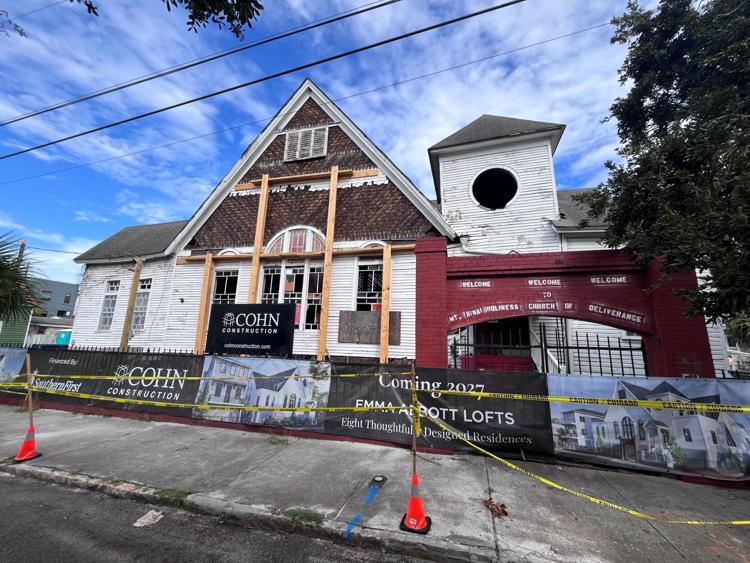
The Loss of 52 Cooper Street Must Be a Call to Action

Demolition of a historic building doesn’t always require a bulldozer. Sometimes, all it takes is doing nothing.
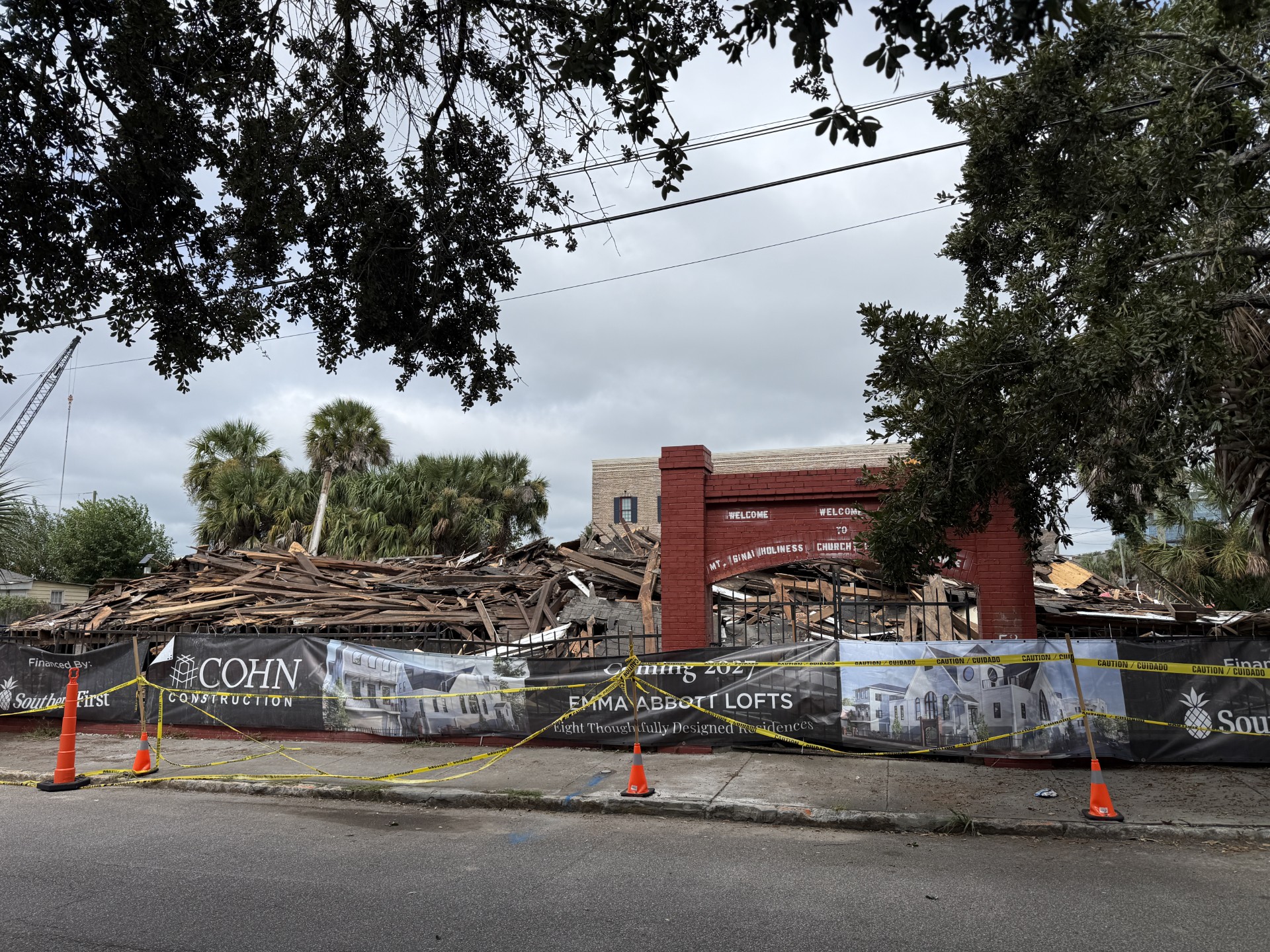
The recent demolition of 52 Cooper Street is a painful reminder of that statement. The loss of the historic Emma Abbott Memorial Chapel has raised questions about how a building of such significance could reach a condition in which forced demolition became its fate. And, unfortunately, this is not an isolated example.
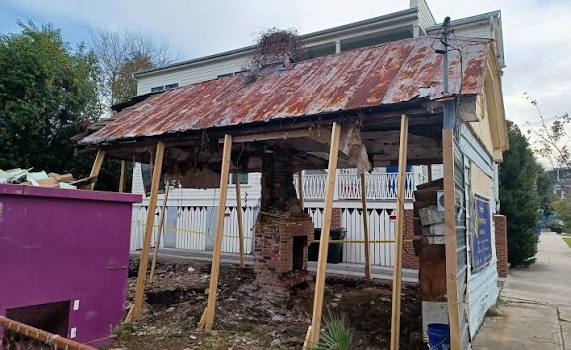
We saw it happen in 2024 at 190 Line Street, a Freedman’s cottage that was gradually taken apart piece by piece until it collapsed into the street, all without approval from the Board of Architectural Review. Earlier this year, the Clemson USDA Building received approval for demolition after years of neglect.
These losses raise a more difficult question: after years of discussing demolition by neglect, are we finally ready to act on what we already know?
Charleston has not lacked ideas.
In 2008, the City of Charleston and Historic Charleston Foundation worked together to create a Preservation Plan for the city. The plan identified demolition by neglect as a preservation priority and called for stronger review and enforcement mechanisms within the city’s preservation ordinance.
In 2011, HCF participated on the City-established Demolition by Neglect Task Force, which convened for months to address the growing number of historic buildings on the peninsula in deteriorated condition. The task force developed recommendations to lower the threshold for intervention, strengthen penalties, streamline enforcement, and explore new tools to preserve neglected historic properties across Charleston's historic district. From the outset, the Task Force agreed that it was important to distinguish between “willful” and “non-willful” cases of demolition by neglect.
Willful cases involve property owners who intentionally allow a historic property to deteriorate in order to facilitate its demolition, typically based on the belief that the vacant lot is more valuable without the historic building.
In contrast, non-willful cases involve owners who lack the financial resources, knowledge, or expertise needed to properly maintain or rehabilitate the property. Heirs’ properties are one example of the challenges that can contribute to non-willful demolition by neglect—these are properties passed down through generations that have multiple heirs with shared ownership interests, making it difficult to reach agreement about maintenance, repairs, financing, or rehabilitation. Unclear or unresolved ownership can also make it difficult for heirs to access loans, grants, and other resources needed to maintain the property. In these circumstances, deterioration may result from complex legal, financial, and ownership barriers rather than an intent to neglect the property. Oftentimes, these properties cannot be sold because of the clouded title.
For the non-willful cases, task force recommendations focused on expanding outreach, technical assistance, and other programs designed to help property owners maintain and rehabilitate their historic properties. For willful cases, the task force recommendations focused on strengthening the existing regulatory framework and increasing enforcement efforts. The task force considered a “scorched earth” policy that would prevent "bad actor" property investors from capitalizing on illegal demolitions by prohibiting new construction on the site for a specified number of years. Another recommendation was requiring attendance at a “Preservation Boot Camp” as part of the penalty for persons found guilty of demolition by neglect which could raise awareness on the importance of timely and appropriate repairs in maintaining the historic character of buildings.
The task force established good recommendations, but implementation was more difficult to achieve. After a multi-year hiatus, the task force was reconvened in 2019, bringing together City departments and preservation organizations to examine yet again this entrenched problem and develop concrete solutions.
Charleston has spent decades discussing the problem; what has been missing is a clear plan of action, with assigned duties and a timeline.
Now, the city is reviewing what happened at 52 Cooper Street, including whether the conditions of the demolition permit were followed. They have also committed to meaningful public notice before the demolition of historic structures moving forward; an updated, comprehensive survey of downtown’s historic buildings; and incorporating cultural significance as a factor in future decisions.
Those are important steps. But now is the time to ensure that a situation like 52 Cooper can never happen again.
Over the coming months, HCF is going to work closely with partners and the City to:
- Establish clear, enforceable maintenance and stabilization standards for designated historic properties, with defined timelines for correcting dangerous or deteriorating conditions.
- Ensure that properties identified as vulnerable are tracked through a regularly updated inventory, with the Board of Architectural Review and relevant city departments equipped with the staff and resources necessary to intervene before deterioration becomes irreversible.
- Examine whether penalties collected from demolition-by-neglect violations can be directed toward preservation interventions rather than simply absorbed into the General Fund. A dedicated preservation or demolition-by-neglect fund could support emergency stabilization, surveys, technical assistance, and other measures designed to keep vulnerable historic buildings standing. The city has the power to put a lien on the property to recoup these up-front expenses.
- Advocate for stronger penalties for willful violations.
Stronger penalties must occur when an owner allows a historic structure to deteriorate beyond repair, even more so if it leads to demolition. Stronger consequences could include:
- Restricting new development following an unauthorized demolition or demolition by neglect for a defined period or until penalties and preservation obligations have been satisfied.
- Enforcing substantially higher penalties where there is evidence that the owner allowed a building to deteriorate in order to facilitate its removal. (Note: this may require changing state law)
- Using escalating penalties for continued non-compliance so owners face increasing financial consequences when they fail to address documented deterioration.
- Imposing a fee for vacant properties
In 1931, Charleston created the first Board of Architectural Review in the nation because generations before us understood that the city’s historic buildings were worth protecting. Nearly a century later, that responsibility is still ours. The loss of 52 Cooper Street should be more than a moment of mourning. It should be a moment of action.