


A First Look at Charleston's Draft Peninsula Plan

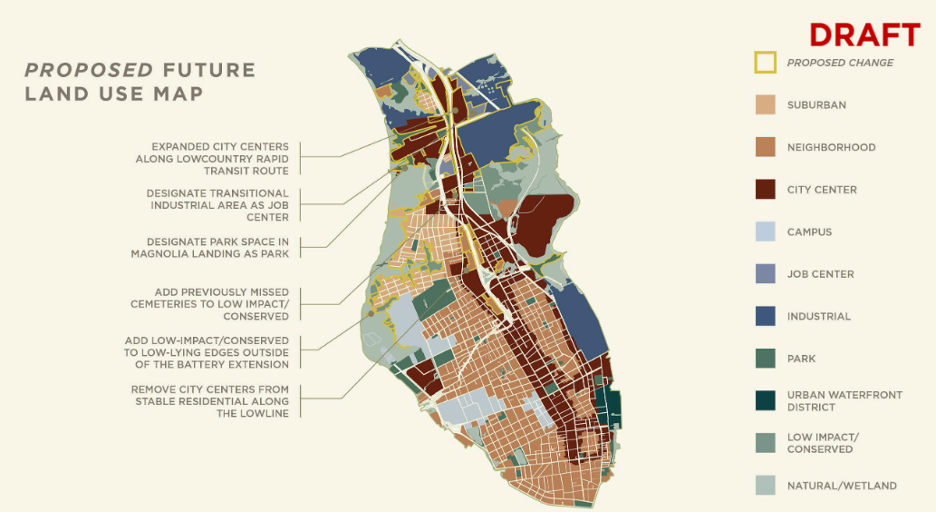

Last week, the City of Charleston unveiled a draft of the new Peninsula Plan, marking an important step in shaping the future of our city. The previous plan was adopted in 1999 and much has changed across Charleston in the decades since. As our city continues to grow and evolve, this updated plan will help guide the future of the Charleston Peninsula.
The Thanksgiving holidays are the perfect time to review the Draft Peninsula Plan (you can digest the contents of the plan and your turkey at the same time).
As an organization dedicated to protecting the historic character of Charleston, HCF recognizes the importance of thoughtful, forward-looking planning that considers both the city's growth and the preservation of the places and qualities that make it unique. We also recognize that this draft Plan has a lot of information that most of us are seeing for the first time, so we thought you may like to take some time to review it over the holidays.
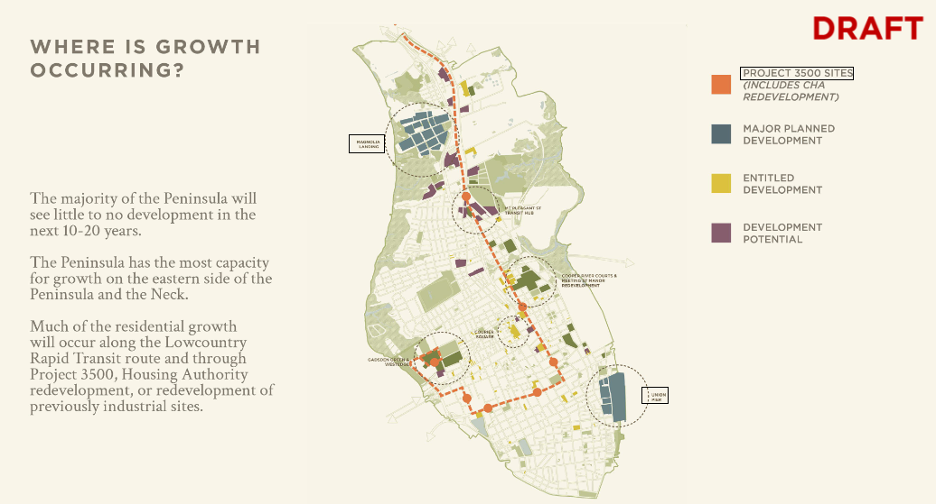
Throughout the planning process, HCF has advocated for a vision that prioritizes livability, resilience, connectivity, and context-sensitive growth. Our initial priorities include preservation of Charleston’s historic character through responsible redevelopment in the Upper Peninsula and the Neck, appropriate building scale and density, opportunities for missing-middle housing, thoughtful parking policies, tourism management, and infrastructure planning that accounts for future sea-level rise.
The City has organized the Peninsula Plan around six core strategies with recommendations:
- Balanced Growth & Cultural Preservation: Update zoning standards to conform with Charleston's historic development patterns, expand Board of Architectural Review (BAR) oversight of new development, strengthen protections for historic properties, and encourage thoughtful redevelopment through updated zoning and design standards.
- Affordable Housing: Increase the supply of workforce and affordable housing through public land redevelopment, strategic infill, and adaptive reuse while strengthening programs that help existing residents remain in their homes and supporting additional housing investment.
- Resilient Public Realm: Advance major flood protection initiatives, expand undergrounding of power lines and the urban tree canopy, incorporate nature-based stormwater solutions, and improve public access to the waterfront and neighborhood open spaces.
- Mobility Options: Expand transportation choices through improved shuttle and transit services, future regional ferry connections, better bicycle infrastructure, and continued planning for Lowcountry Rapid Transit.
- Safe & Walkable Streets: Improve pedestrian and bicycle safety through better crossings, sidewalks, and intersection design; establish a 20-mph standard design speed for Peninsula streets; and pursue City ownership of targeted streets to support improvements that prioritize people.
- Local-First Economy: Support locally owned businesses and cultural districts, manage tourism and short-term rentals, improve commercial affordability, and encourage transit-oriented development and employment opportunities along the Lowcountry Rapid Transit corridor.
HCF is encouraged to see many issues central to our advocacy reflected in the City's recommendations, while we also recognize there are opportunities to add critical details that will help address flooding, development and street design, and historic preservation.
We will continue to review the draft, identify opportunities for improvement, and advocate for a final plan that protects Charleston's historic character while supporting a more connected, resilient, and livable Peninsula. After Thanksgiving, we will be sending you our specific recommendations.
For now, please review the draft Peninsula Plan here. Public comments will be accepted through December 13.
What happens next?
Following the public comment period, the City will review community feedback and use it to inform the finalized plan. The final draft will then move through public hearings before the Planning Commission and City Council for consideration and formal adoption.
Once adopted, the Peninsula Plan will serve as a framework for future policies, zoning changes, infrastructure investments, and capital improvement projects that will guide the Peninsula's growth and development.
Thank you for being part of the conversation and for your continued commitment to Charleston's future. We encourage you to take time to review the plan and make your voice heard.