


106 Coming Street and the College of Charleston

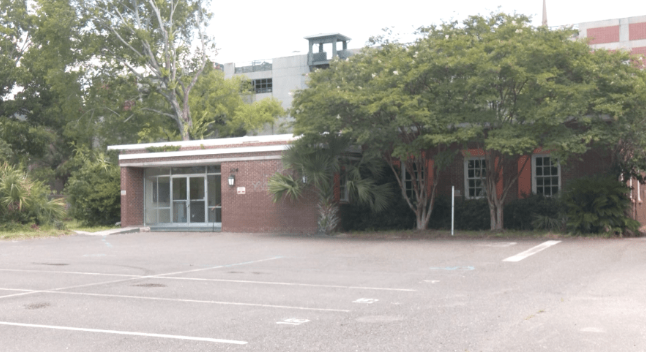
The College of Charleston is proposing to redevelop 106 Coming Street—a former 18th-century municipal cemetery—into a student housing complex, raising important questions about preservation, memory, and community input.
Background
In May 2025, The College of Charleston publicly announced plans to expand student housing with a 1,200-bed student-residence complex on the 1.6-acre block bordered by Vanderhorst, St. Philip, Calhoun and Coming streets.
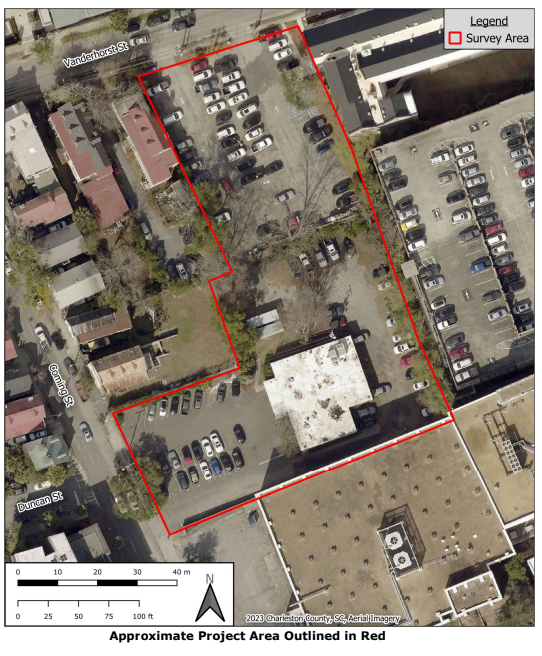
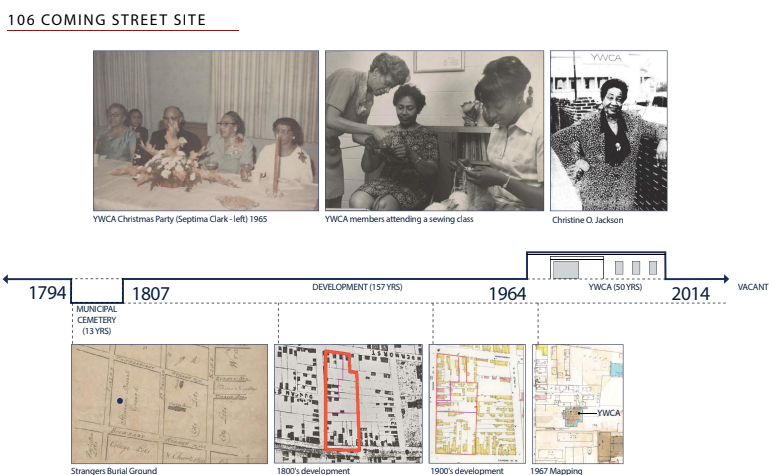
This city block contains the site of the former YWCA of Greater Charleston, an active gathering place during the Civil Rights Movement. It is also the location of one of the City of Charleston’s oldest public burial grounds known as a “potter’s field.” As the city’s only official public cemetery from 1794 until 1807, thousands of people who could not access or afford burials in churchyards or private cemeteries were buried on this site.
Because of this history, the site is not simply vacant land. It holds cultural and historical significance and has sparked concern among preservationists, descendants, and community members.
The project is currently in a planning and community engagement phase, while simultaneously moving forward with public permitting.
Key ongoing efforts include:
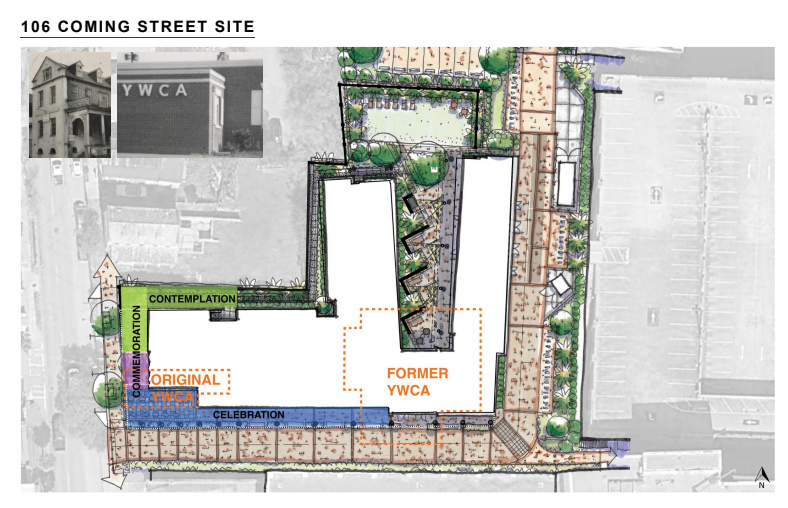
- Community engagement, including the Community Engagement Council (CEC) and public meetings (notably the upcoming Board of Architectural Review meeting for conceptual approval of the dormitory and commemoration design)
- Archaeological and geophysical studies to identify burial locations
- Pre-disturbance survey work ahead of demolition
- Memorial planning
The College has emphasized that final design decisions will depend on archaeological findings, public feedback, and regulatory requirements. They have also acknowledged that there is no alternative that involves them not building on the site.
The Future
Looking ahead, the future of 106 Coming Street requires creative, critical thinking and solutions that will balance the College’s need for student housing, the city’s development pressures, and the ethical responsibility to honor a deeply significant historical site.
If the project moves forward as proposed, Charleston could see the construction of one of the largest student housing developments in the city. However, several key questions remain unanswered. HCF is helping ask:
- How can the treatment of this site lead to a deeper understanding of history?
- How can the future of this site contribute to the community?
- How will burial sites be treated in the future?
- What form will commemoration take? And should there be an on-site and off-site memorial?
Lessons from Other Burial Ground Projects
The redevelopment of 106 Coming Street is not the first of its kind. Similar projects across the country show both best practices and failures. The College has cited many of these projects in their work plans as guides. Some to note include:
The African Burial Ground in New York City, which demonstrates how projects can improve after early mistakes. Construction initially moved forward with little community input, but public outcry led to a halt, extensive consultation with descendant communities, and ultimately the creation of a permanent memorial and on-site reinterment. The important lesson here is that community engagement must begin early, not after conflict, and memorialization is an ongoing conversation.
Much closer to home, the Anson Street African Burial Ground offers an indispensable local model. After remains were uncovered during the 2013 Gaillard Center expansion, a collaborative team of community leaders, scientists, and historians guided the process. The project was focused on transparency, DNA research, reinterment, and memorialization on-site. The Charleston community came together to properly handle this situation, and it is vital to do this again for the project at 106 Coming Street.
Baldwin Hall at the University of Georgia is a clear example of what not to do. The university knew about burials on-site and when remains were uncovered during renovations, construction continued and consultation was limited. Remains were ultimately relocated without meaningful community input, drawing widespread criticism. The takeaway: lack of transparency, delayed response, and exclusion of community voices are extremely damaging.
Using the Past to Guide the Future
Moving forward, best practices with the College of Charleston site should include:
- Early and ongoing descendant and community consultation
- Transparency around excavation and decision-making
- Commitment to memorialization and respectful reinterment
Please join us by participating in this essential process, asking questions, and demanding transparency to ensure that this project proceeds with the care and accountability it requires.